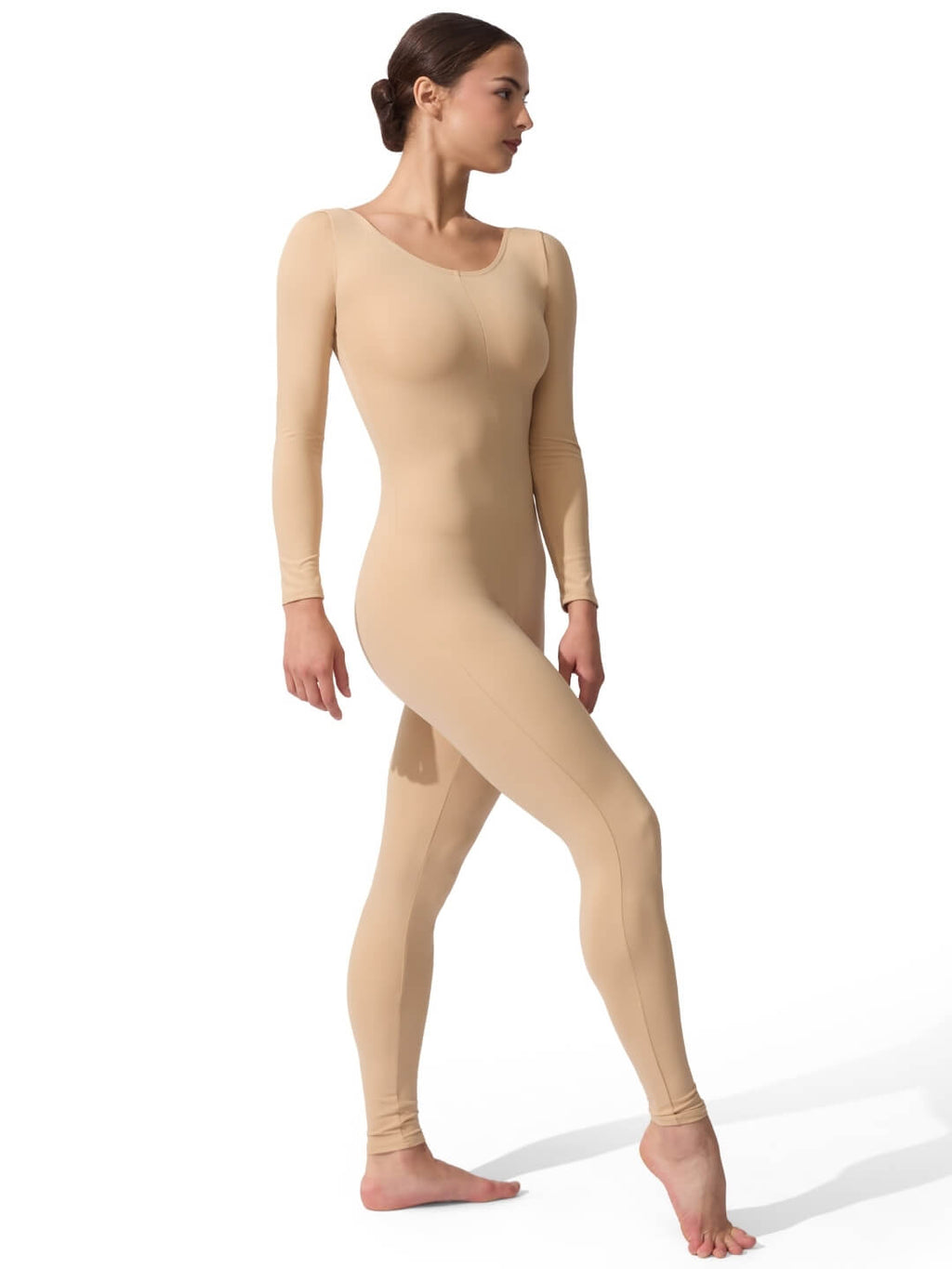
Black Dance Unitards

Shop black dance unitards for a one-piece alternative to separate dance tops and bottoms. Explore the selection with your studio’s dress code and preferred coverage in mind, and review each style’s sizing and fit details to find an option for your training needs.

Read More

FILTERS

0 ITEMS
GRID VIEW:

Black dance unitards bring upper- and lower-body coverage together in one garment, reducing the need to coordinate separate layers for class and rehearsal. A close fit keeps the body’s lines visible, helping dancers and instructors assess alignment, placement, and control through movement. For modern and contemporary practice, a unitard can provide continuous coverage through extensions, inversions, and floorwork. Black also works well within many studio wardrobes and can meet a required color standard when specified by a teacher or choreographer. The right choice starts with how you train. Consider the range of motion your practice demands, how much coverage you need, and whether the garment will serve as your main training layer or sit beneath additional rehearsal clothing.

Fit is central to how a dance unitard performs. Torso length matters as much as overall size because the garment connects the shoulders, waist, and hips without a separate waistband. A suitable fit should allow you to lift your arms, bend deeply, and extend through the spine without pulling at the shoulders or restricting the hips. Excess length can gather around the waist or seat, while too little length can create tension through the torso. Compare your measurements with the size information for the garment rather than relying only on your usual clothing size. Neckline, sleeve coverage, and leg length also influence freedom of movement and comfort. Think about where you need coverage during floor contact, how warm the studio becomes, and whether any additional support layers need to fit underneath.

When choosing black dance unitards for regular training, consider stretch, recovery, and coverage together. Stretch allows the garment to move with you, while recovery helps it return to its shape after repeated movement. Coverage should remain comfortable and appropriate as you bend, reach, and work through a full range of motion. Check how seams and openings sit against the body, particularly in areas that make repeated contact with the floor. For auditions, group rehearsals, or stage use, confirm the required cut and coverage before choosing a style. Dancers building a dependable training wardrobe can prioritize a fit that works across their regular sessions, while those selecting a unitard for a particular piece may need to match more specific movement and layering requirements. Follow the garment’s care instructions to help preserve its fit and performance over time.

Read More

FAQ