
25% OFF $100+ & FREE SHIPPING | CODE: BF25

20% OFF NO MINIMUM SPEND | CODE: BF20

Brown Pointe Shoes

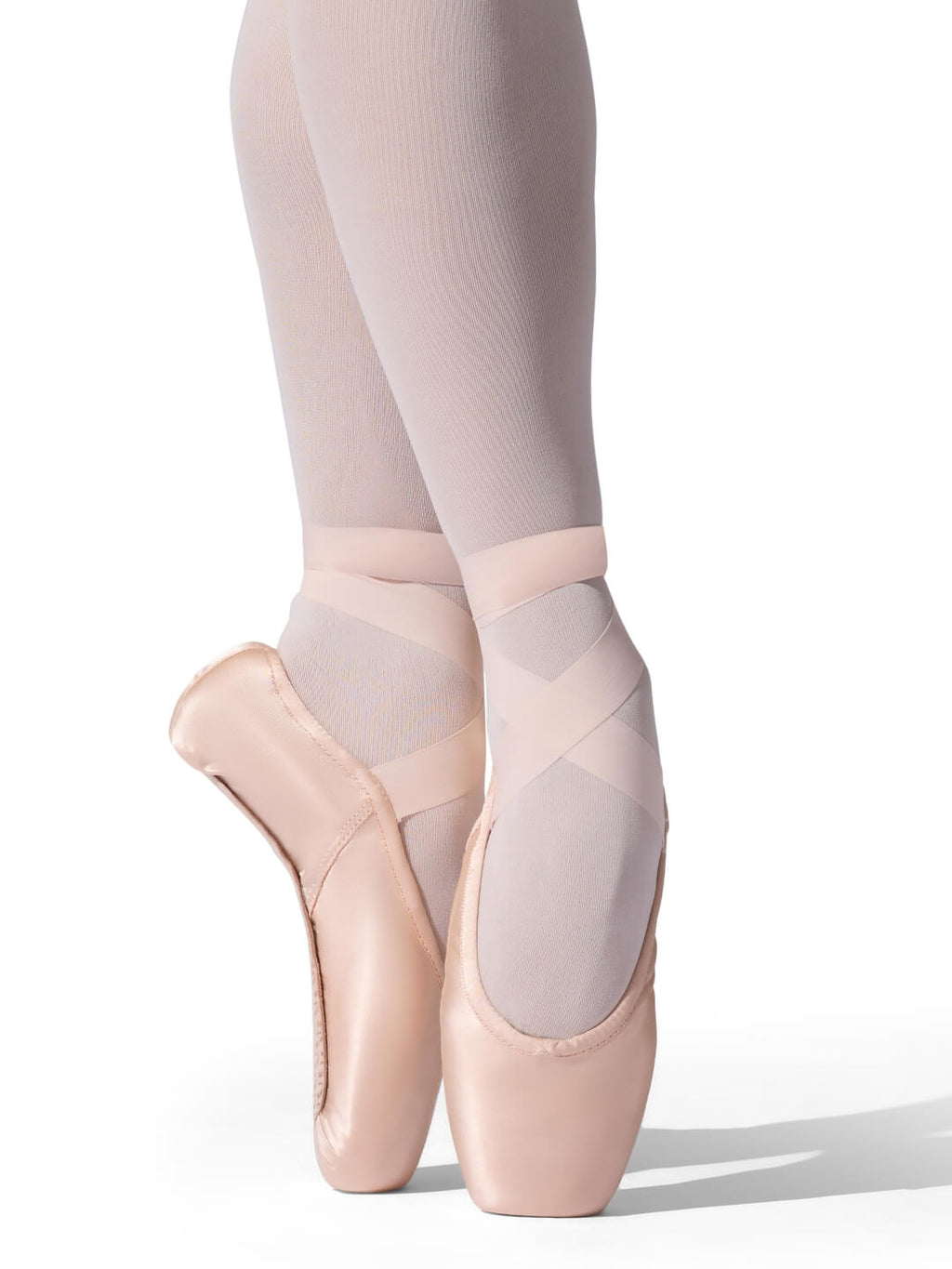
Brown pointe shoes support dancers seeking a seamless match to their skin tone while maintaining the technical precision required for performance. Engineered for movement and durability, these shoes are designed to meet the demands of both studio training and stage work. Brown pointe shoes deliver reliable fit and consistent support, helping dancers focus on strength, alignment, and confidence with every step.

FILTERS

0 ITEMS
GRID VIEW:
Brown pointe shoes support the demands of ballet training and performance while giving dancers a color option that can work with their skin tone, tights, and rehearsal or stage requirements. Color is part of a dancer’s equipment choice, but construction and fit remain the foundation. A well-fitted pointe shoe helps a dancer work through demi-pointe, reach the platform with control, and maintain alignment through balances, turns, and changes of direction. Brown shades can support continuity between the foot and leg when they complement the dancer’s skin or tights. That relationship matters in work where foot articulation and leg placement need to remain clear, from a sustained balance at the barre to coordinated footwork across a group. Brown is not a single universal match. Undertones, fabric finishes, and lighting can affect how a shade reads against the body and dancewear. A color that works for bare legs may create a different effect with tights, and rehearsal lighting may reveal different undertones than stage lighting. Studio dress requirements and production direction can also shape the color decision. For dancers preparing for an examination, recital, or company performance, the required shade belongs in the conversation alongside the shoe’s fit and construction. The intended use matters just as much. A dancer building strength in supervised pointe classes may need a different combination of support and flexibility than an experienced performer managing extended rehearsals. Neither color nor experience level alone determines the right shoe. Foot shape, strength, technique, and the demands of the choreography all contribute to that decision. When a studio or production calls for a pink finish instead, Best Pink Pointe Shoes provides another color category to consider with the same attention to fit, support, and intended use.

The structure inside brown pointe shoes does the work that color cannot. Many pointe shoes combine a satin upper with a reinforced toe box, an internal shank, and an outsole designed for the demands of ballet. Traditional boxes often use layers of fabric and adhesive to create a supportive enclosure around the toes. Construction methods and materials vary, so shoes with similar external shapes can respond differently under load. The box shape influences how the toes sit together, while the platform provides the contact area used when fully en pointe. The vamp covers the front of the foot, and the wings support the sides. The shank contributes support beneath the foot, with its shape and resistance affecting how the shoe moves with the dancer. These elements need to work together rather than compensate for one another. A harder shank is not automatically a better choice, and a softer shoe is not automatically more suitable for a beginner. Too much resistance can interfere with articulation, while insufficient support can make controlled movement more difficult. A professional pointe fitting helps connect these construction details to the individual foot. Length, width, toe shape, foot volume, and differences between the two feet all matter. Street-shoe size alone cannot establish a reliable pointe-shoe fit. The toes need to lie without curling, and the foot should feel securely contained without harmful compression. Excess room can allow the foot to slide, while an overly narrow box can concentrate pressure. Padding also changes the space inside the shoe, which makes the dancer’s usual toe protection relevant during a fitting. Fit is assessed through movement as well as standing, with the fitter observing how the shoe supports the dancer under appropriate supervision. Pointe work requires readiness assessed by a qualified ballet teacher. For growing dancers or anyone returning after time away, a familiar size or shape may no longer provide the same fit.

Care and durability are closely connected to how pointe shoes are used. Repeated loading, perspiration, floor contact, and the length of each session all affect the materials. Satin can show surface wear before the internal structure loses support, while a shoe that still looks intact may already have softened beyond its useful working life. Performance is the more important measure. Changes in the box, shank, or overall stability deserve attention from a teacher or fitter, particularly when a dancer feels less supported or starts compensating to reach the platform. There is no single replacement schedule that suits every dancer. Training frequency, foot strength, construction, and rehearsal demands create different patterns of wear. Allowing shoes to dry thoroughly between sessions helps manage moisture that can weaken traditional construction. A breathable storage arrangement is more appropriate than leaving damp shoes sealed inside a dance bag. Removable toe protection should dry separately, and shoes benefit from being kept away from direct heat. Cleaning also requires restraint. Soaking or machine washing can damage the materials and alter the shoe’s structure. Surface care should follow the applicable care directions, especially when preserving a brown finish matters for performances. Unapproved dyes, heavy coatings, or aggressive cleaning can change the surface or affect the materials beneath it. Breaking in a shoe should preserve its intended support, with any adjustments discussed with a knowledgeable fitter or teacher rather than copied from another dancer’s routine. Ribbons and elastics also need secure attachment and regular inspection because reliable fastening contributes to a stable fit. For someone considering pointe shoes as a gift, fit is too individual to estimate from everyday footwear or a previous pair alone. The most useful choice involves the dancer and allows for professional fitting. Brown pointe shoes serve dancers best when shade, construction, care, and fit work together, keeping attention on controlled movement and the demands of the work.

FAQ