
25% OFF $100+ & FREE SHIPPING | CODE: BF25

20% OFF NO MINIMUM SPEND | CODE: BF20

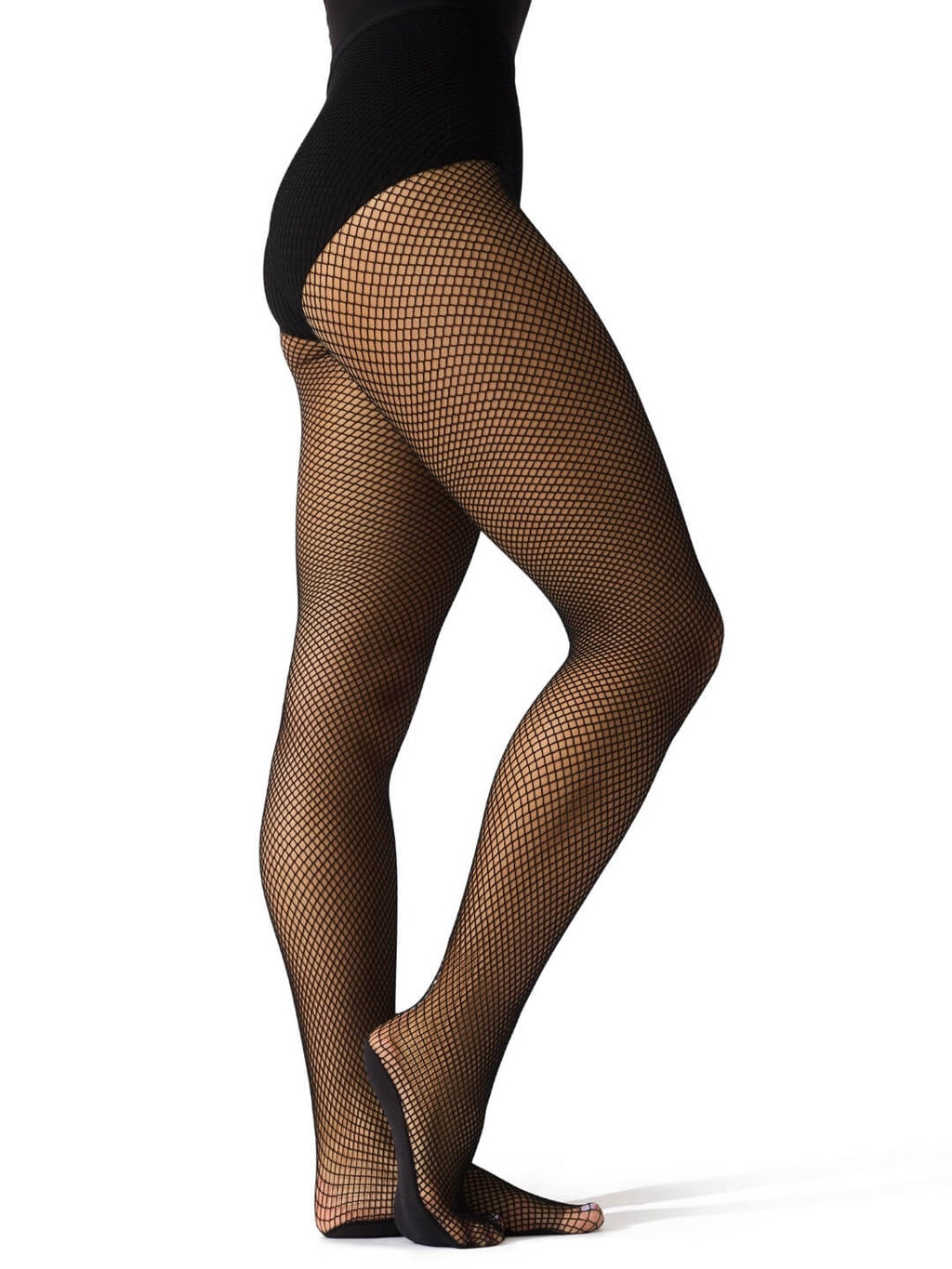
Fishnet Dance Tights

Fishnet dance tights deliver reliable support and flexibility for dancers who need consistent performance during practice, rehearsal, or stage work. Designed to move with the body, fishnet dance tights offer durability and resilience under pressure, helping dancers maintain confidence through every routine. Engineered for movement and trusted in studios and on stage, these tights are built to meet the demands of any dance environment.

FILTERS

0 ITEMS
GRID VIEW:
Fishnet dance tights provide flexible, open-mesh coverage for dancers moving through rehearsals, stage work, and performance routines. Their net construction creates a different feel from solid knit tights, with connected strands that expand as the legs bend, extend, and change direction. That flexibility matters in a deep plié, a traveling jazz combination, or a musical theater number that moves quickly from standing choreography to floor work. The right fit allows the mesh to move with the dancer without pulling at the waistband or restricting the backs of the knees. Fishnets are often associated with jazz, tap, ballroom, and theater, though their suitability depends on the choreography, dress requirements, and footwear involved. Some dancers wear them directly against the skin, while others layer them over smooth tights for additional coverage or a different feel inside their shoes. The open structure allows airflow, but the fiber blend, mesh density, and any underlying layers all affect comfort during sustained movement. Nylon is commonly used for strength, while stretch fibers such as spandex help the fabric extend and recover. The balance between these materials influences how firmly the tights fit and how readily they return to shape after movement. A tighter net and a more open net also distribute contact differently across the legs, making construction an important consideration beyond the pattern itself. Color can help meet a production’s requirements, coordinate with dancewear, or create consistent coverage across an ensemble. Under stage lighting, the appearance of both the mesh and the layer beneath it can change, so a rehearsal in performance clothing gives a more useful impression than a quick check at home. Fishnets can sit alongside other adult dance tights in a rehearsal and performance rotation, with different constructions meeting different needs. Their role is practical: provide the required coverage while allowing the dancer to focus on timing, placement, and a full range of movement.

Fit determines how effectively fishnet dance tights perform through repeated movement. Height and body measurements provide a more dependable starting point than everyday clothing size, since tights must accommodate the length of the legs as well as the hips and waist. Stretch creates flexibility, but it does not replace adequate length. When tights are too short through the body, the waistband may pull downward and the crotch may sit below its intended position. Excess fabric can gather behind the knees or around the ankles, where it may become distracting during combinations. A secure fit feels close without requiring repeated adjustments between exercises. The waistband should remain comfortable while sitting, bending, and reaching overhead, particularly when worn beneath a leotard or fitted rehearsal clothing. Seams and joining points also deserve attention because their placement can affect comfort under close-fitting layers. Foot construction changes the experience inside dance shoes. Footed fishnets extend coverage through the foot, while footless constructions leave the feet uncovered and require attention to where the lower edge rests during movement. A reinforced or solid-knit foot section, when part of the construction, can change the contact between the sole and the shoe compared with mesh beneath the foot. That difference is worth checking in the footwear intended for rehearsal or performance. A dancer completing repeated tap combinations may notice pressure points that do not appear while standing still, and a ballroom dancer needs to assess the tights with the exact shoes used for turns and directional changes. Layering also changes the space inside a shoe, so the complete combination should feel secure without crowding the toes. Studio and production requirements remain important, especially where a particular type of coverage is specified. A brief movement check with pliés, lunges, leg extensions, and seated positions can reveal pulling or bunching before a full rehearsal. Comfort comes from the interaction of fit, construction, and intended use, not simply from selecting the strongest stretch or the closest size.

Durability depends on both the construction of fishnet dance tights and how they are handled between wears. A substantial net may tolerate repeated use, but open loops can still catch on jewelry, rough nails, shoe fasteners, and unfinished surfaces. Taking a little time when dressing helps protect the structure. Gathering the legs into the hands and easing them upward in small sections distributes tension more evenly than pulling hard from the waistband. Rings and bracelets are best kept away from the mesh, and dry, rough skin around the fingers can also snag fine strands. During rehearsal, contact with abrasive floors or exposed hardware can place extra strain on the net, particularly around the knees and feet. Fishnets provide coverage, not cushioning or protection from floor friction, so choreography and surface conditions should inform what is worn beneath or alongside them. After use, the care label provides the correct cleaning instructions for the specific fiber blend and construction. Where hand washing is permitted, cool water and a mild detergent help clean the fabric without aggressive agitation. Twisting, wringing, and high heat can stress stretch fibers and distort the net. Gentle handling and drying as directed help preserve shape and recovery. Separate storage keeps the mesh away from hooks, zippers, and accessories that could catch it inside a dance bag. Before the next wear, checking the waistband, foot area, and joining points can identify damage before it becomes a distraction onstage. For dancers who regularly use fishnets, a dependable rotation gives each pair time for cleaning and drying between rehearsals and performances. They can also make a practical gift for a dance student, theater performer, or working dancer whose preferences and size are already known. Matching the recipient’s established fit, foot construction, and performance requirements makes that choice more useful. Well-chosen and carefully maintained fishnet dance tights support a consistent routine, from the first full run-through to the final performance.

FAQ