25% OFF $100+ & FREE SHIPPING | CODE: BF25

20% OFF NO MINIMUM SPEND | CODE: BF20

Spandex Stirrup Tights

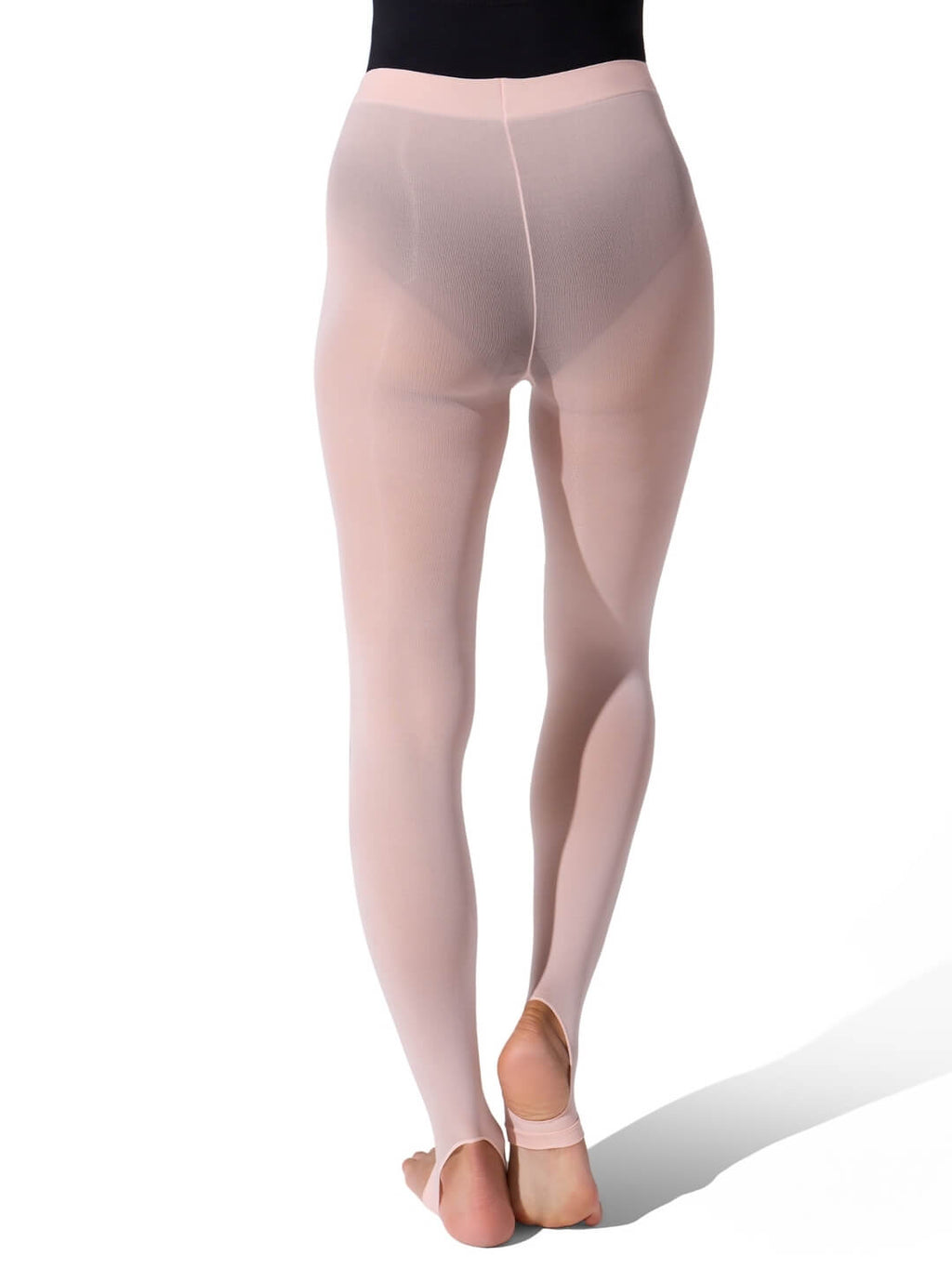
Spandex stirrup tights deliver the flexibility and coverage dancers need for training, rehearsal, and performance. Built for movement, these tights support every step, leap, and turn with a secure fit that stays in place. The stirrup design allows for full foot articulation while maintaining stability at the ankle. Spandex construction ensures lasting stretch and resilience through repeated wear. Explore spandex stirrup tights designed to keep up with the demands of dance at every level.

FILTERS

0 ITEMS
GRID VIEW:
Spandex stirrup tights support movement with stretch fabric and an underfoot strap that helps keep the legs anchored while leaving the heels and toes exposed. This construction combines the coverage of tights with an open-foot design, making it useful for dance settings where dancers need access to the floor or prefer less fabric around the toes. The stirrup sits beneath the arch rather than enclosing the entire foot. It helps limit fabric riding up during repeated movement, from bending through the knees to extending the legs. Spandex contributes elasticity, allowing the fabric to stretch with the body and recover between movements. That flexibility matters during a deep plié, a high leg extension, or a transition from standing work to floor choreography. The tights should follow the dancer’s movement without restricting the hips, knees, or ankles. For contemporary and modern dance, the open heel and forefoot can accommodate barefoot work when the studio permits it. For jazz or other classes that require shoes, compatibility depends on the shoe’s fit and how the stirrup sits inside it. The strap should lie flat without creating a pressure point beneath the foot. It is an anchoring feature, not a traction aid, and the exposed areas of the foot still need to function safely on the dance surface. These tights can be worn with leotards, dance shorts, or other fitted practice layers, depending on class requirements. They suit students developing their technique, dancers working through rehearsals, and performers whose wardrobe requirements call for an open-foot tight. They are not interchangeable with every other tight construction. A ballet class that requires fully covered feet may call for footed tights instead, while a dancer who needs to alternate between covered and uncovered feet may prefer a convertible design. For dancers who regularly use a stirrup style, the practical benefit is consistent leg coverage without a fully enclosed foot.

Fabric composition affects how spandex stirrup tights stretch, feel, and hold their shape through repeated wear. Spandex is commonly blended with another fiber rather than used alone. Nylon often provides the main fabric structure, while spandex supplies stretch and recovery. The percentage of each fiber is useful information, but it does not explain the entire wearing experience. Knit construction, fabric weight, seam placement, and waistband design also influence support and comfort. A higher spandex percentage does not automatically mean a better fit for every dancer. The fabric needs enough give for full movement and enough recovery to avoid remaining stretched at the knees or seat. Dancers comparing fiber blends can also explore Nylon Stirrup Tights, since nylon-based tights may include spandex for flexibility. Product descriptions should clarify the blend rather than treating nylon and spandex as mutually exclusive choices. Fit is especially important in a stirrup construction because the tights must reach comfortably from the waistband to the arch. A pair that is too short through the body or leg can pull downward at the waist or create tension beneath the foot. Extra length can gather around the ankles or behind the knees. Height and weight measurements are often more useful than a usual clothing size, so the relevant size chart provides a better starting point. A secure waistband should stay in place through bends and extensions without digging into the body. Where present, a gusset can add room through the crotch, but its construction varies. Seams should sit smoothly under close-fitting dancewear, and the stirrup should remain flat as the foot points and flexes. Coverage also deserves attention. Fabric that appears opaque at rest may become more sheer when stretched across the thighs or seat. For rehearsal and performance use, the intended level of coverage should hold up in the positions the choreography requires, not just while standing still.

Durability in dance tights depends on both construction and handling. Repeated extensions, floor contact, changing footwear, and frequent laundering all place demands on stretch fabric. The underfoot strap deserves particular attention because it is exposed to pressure and friction each time the dancer steps, turns, or works through the foot. A secure fit helps keep that strap in position, but excess tension can make it uncomfortable and place unnecessary strain on the fabric. Smoothly finished seams and reinforced areas, when specified in the product details, may help support repeated use. No stretch tight is immune to snags, so careful dressing remains important. Rings, rough nails, jewelry, and unfinished shoe edges can catch fine knit fibers. Gathering each leg before easing it over the foot helps distribute the pull instead of stretching one small section. The stirrup should be positioned beneath the arch before the remaining fabric is adjusted up the leg. After class, removing tights gently and allowing them to dry before storage helps keep them ready for the next session. Care should follow the garment label, since blends and finishes can require different handling. Gentle washing with mild detergent and cool water is often appropriate when permitted by the care instructions. A mesh laundry bag can reduce contact with hooks and other rough fastenings if machine washing is allowed. Excessive heat can affect elastic fibers, so air drying is a practical option when recommended. Bleach, ironing, and tumble drying should not be assumed safe. For dancers training several times a week, rotating between pairs allows time for washing and drying without repeatedly wearing damp fabric. Regular checks around the arch, crotch seams, and waistband can reveal thinning or damage before rehearsal. As a gift, stirrup tights are most useful when the recipient’s size and studio requirements are already known. The right pair supports a familiar training routine with dependable stretch, secure leg coverage, and an open-foot construction suited to the dancer’s work.

FAQ