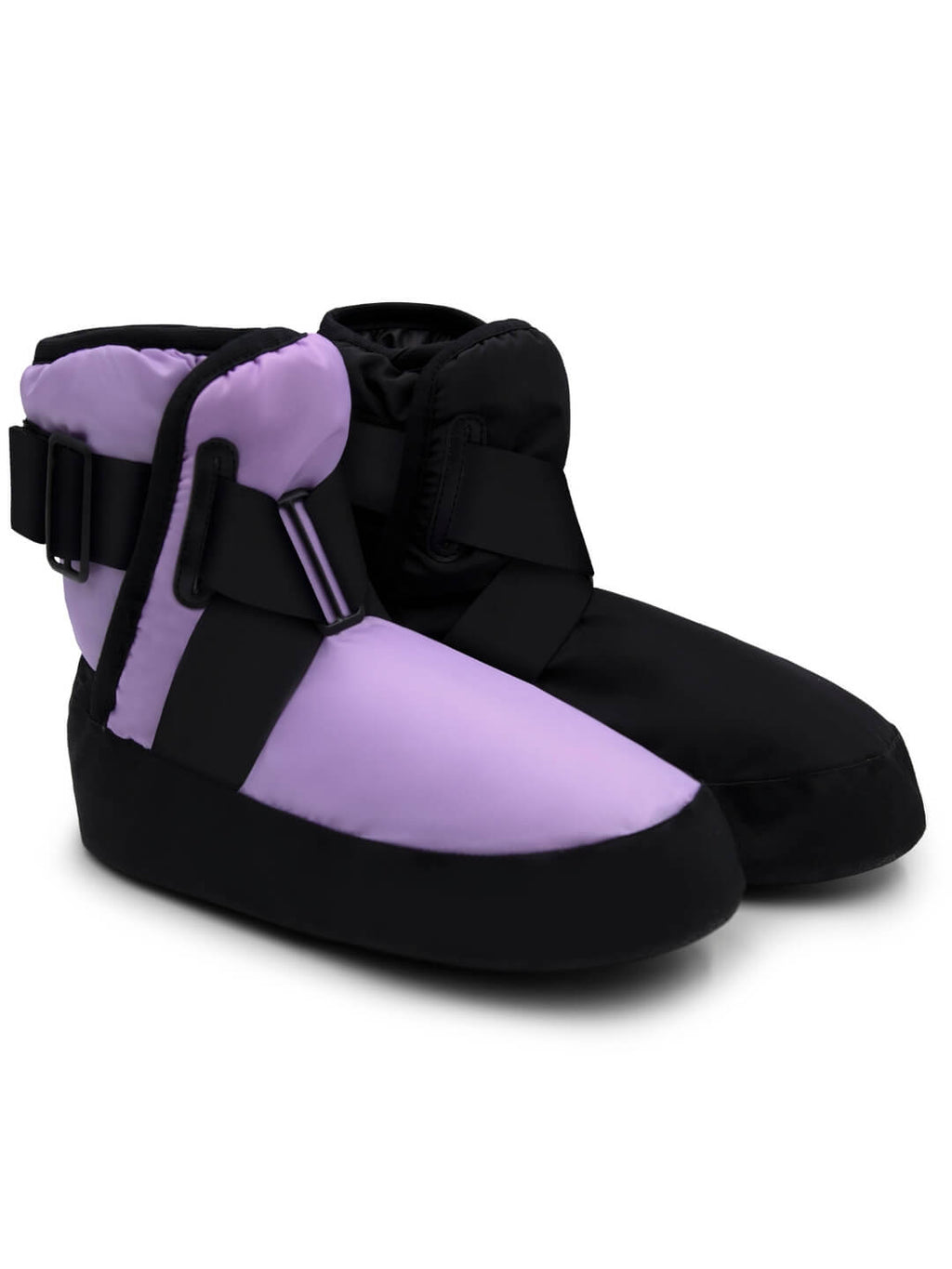
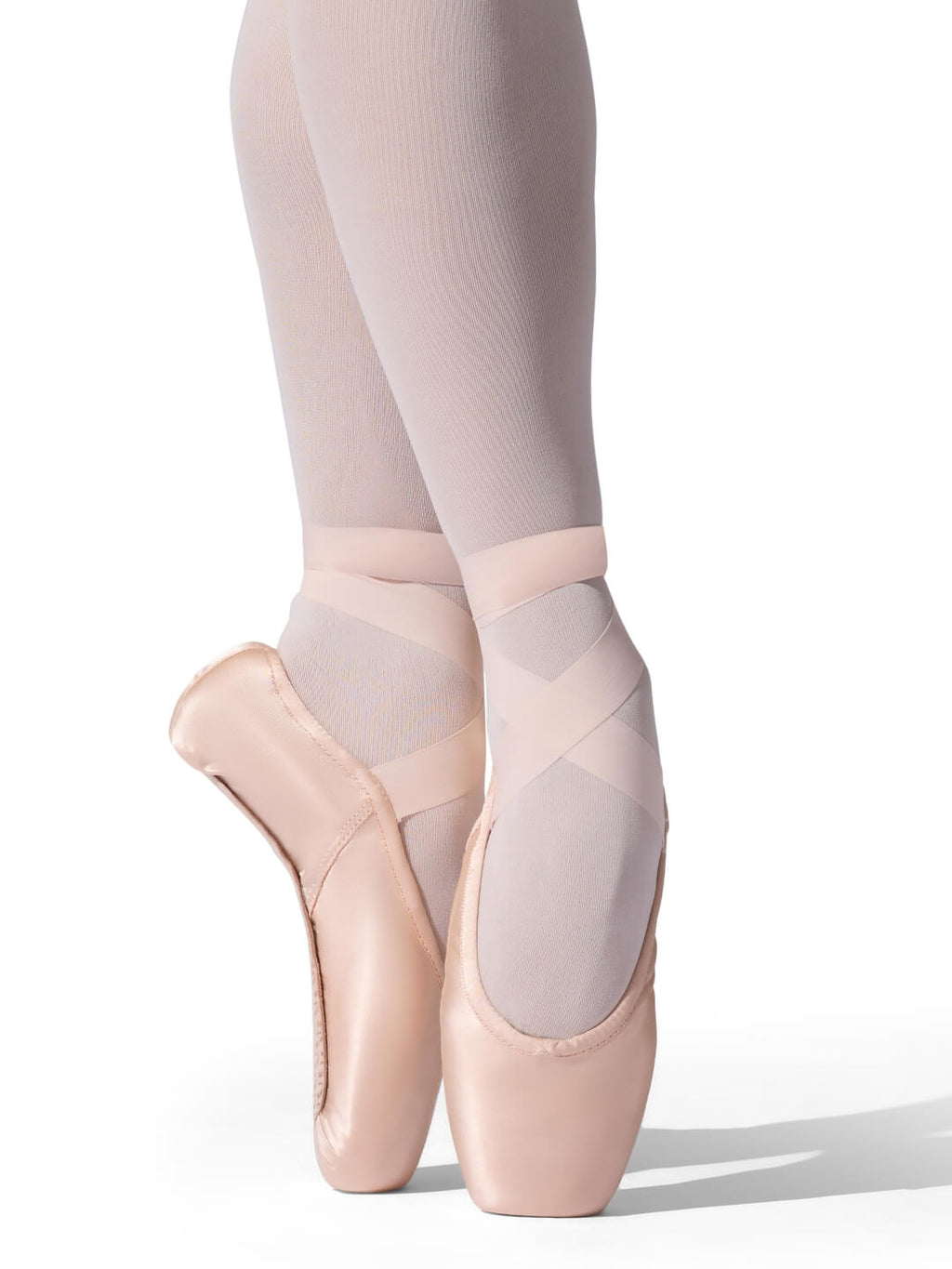
Warm-Up Booties for Pointe Shoes

Keep your feet warm before class and between rehearsals with warm-up booties for pointe shoes. Explore booties for your ballet warm-up routine, and check each style’s fit and sizing guidance to choose an option that accommodates your pointe shoes.

Read More

FILTERS

0 ITEMS
GRID VIEW:

Warm-up booties for pointe shoes help retain warmth around the feet during breaks in class, rehearsal, and performance preparation. They add a layer of coverage when dancers step away from active work, helping limit direct contact between pointe shoes and the surrounding floor. For ballet dancers who spend time waiting between combinations, rehearsing separate sections, or preparing backstage, that coverage serves a practical purpose. Booties intended to fit over pointe shoes allow dancers to keep their shoes on between sessions without leaving them fully exposed. They are a separate layer for downtime, not a replacement for an active warm-up or footwear for pointework. Choosing the right pair starts with how and where they will be used, whether that means short studio breaks, longer rehearsal days, or time in the dressing room before a performance.

Fit is especially important when selecting booties to wear over pointe shoes. The interior needs enough room for the box, heel, and any secured ribbons or elastic without pressing the toes or distorting the shoe. A fit that works over bare feet may not provide the same space over dance footwear, so sizing information and intended use matter more than street shoe size alone. Compare coverage around the ankle, ease of putting the booties on and taking them off, and how securely they stay in place during permitted walking. Where a design includes an adjustable opening, it can help accommodate the footwear underneath while keeping the bootie positioned around the foot. The goal is room for the pointe shoe without excessive looseness that makes movement awkward. Remove booties before returning to pointework so the shoe can make direct contact with the dance floor.

Construction and care also help distinguish options for regular use. Insulation affects warmth, while the lining influences comfort over the foot or shoe. The outer surface and sole deserve attention when booties will move between a dressing room and studio areas where they are permitted. Check the intended use of the sole rather than assuming every pair suits every surface. Care instructions are another useful consideration for dancers packing booties alongside their daily training essentials. A pair that fits into a dance bag and is straightforward to maintain can be practical for frequent rehearsals, travel, and performances. For students beginning pointe and experienced dancers alike, the most useful choice balances warmth, fit over the intended shoes, secure coverage, and the demands of a regular dance schedule.

Read More

FAQ