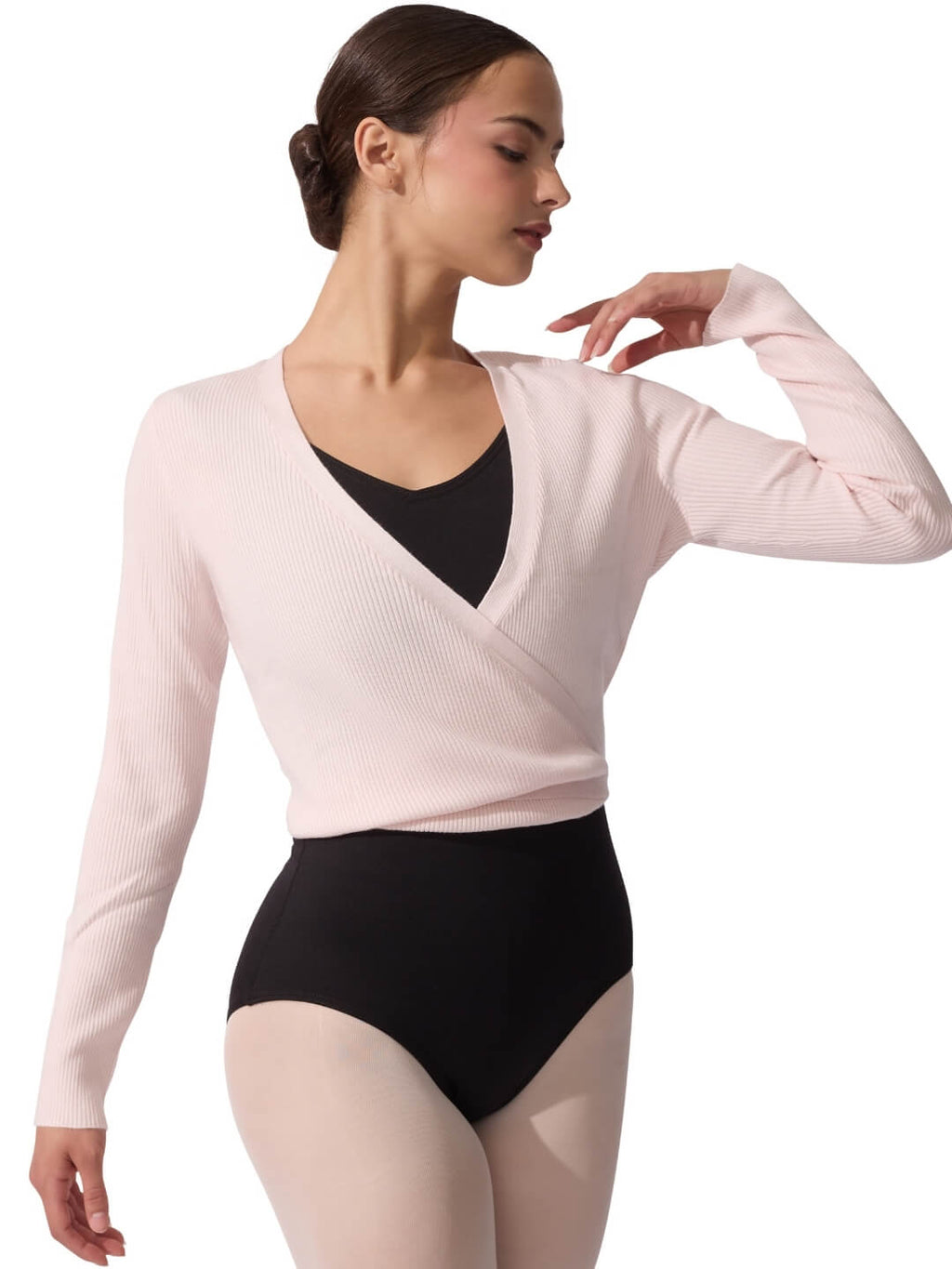
Women's Dance Practice Wear

Shop women’s dance practice wear for class, rehearsal, and daily training. Explore leotards, tops, and bottoms to build a studio wardrobe that suits your dance style and preferred coverage. Choose practice pieces that let you move freely and keep your focus on technique.

FILTERS

0 ITEMS
GRID VIEW:
Women’s dance practice wear supports the repeated movement of class, rehearsal, and independent training. Leotards, tights, dance tops, shorts, leggings, and pants form the foundation of a working studio wardrobe. Each category serves a different purpose, from keeping the torso covered through overhead reaches to allowing unrestricted movement through the hips and knees. The right combination depends on the dance style, the studio’s dress requirements, and the dancer’s preferred level of coverage. For ballet, fitted leotards and tights allow instructors to see placement through the shoulders, spine, hips, and legs. A wrap skirt can add coverage without the bulk of heavier layers, where studio rules allow it. Contemporary practice often calls for close-fitting separates that move easily between standing combinations, kneeling sequences, and floorwork. Jazz and tap dancers may wear leotards with shorts or leggings, or fitted tops with stretch bottoms that allow teachers to assess alignment. For hip-hop and commercial classes, flexible pants, joggers, and tops can provide more room for grounded movement and changes in direction. Acro practice benefits from secure coverage that stays in place through inversions, bridges, and transitions. Across these disciplines, practice clothing should allow dancers to concentrate on technique rather than adjusting straps, pulling down hems, or repositioning waistbands between combinations. Close-fitting does not mean restrictive, and relaxed does not mean oversized. Both approaches can support training when the garment follows the movement required by the class. A dancer working through a deep plié needs room at the hips and knees. A dancer repeating turns needs a top that stays secure as the arms open and close. Women’s practice dancewear serves adult beginners, experienced students, returning dancers, instructors, and performers preparing for rehearsal. Some need a consistent uniform for weekly lessons. Others need separates that work across several disciplines in one training schedule. Functional layers make those transitions easier, while a dependable foundation keeps attention on the work. Clothing that remains comfortable and secure through repeated combinations supports consistent practice, whether the session centers on barre exercises, traveling steps, or a full run-through.

Materials and fit determine how dance practice clothing performs under repeated stretch. Cotton blends offer a soft feel, while added spandex helps fabric extend with the body and recover after movement. Nylon and polyester blends can provide a smooth, flexible foundation for fitted dancewear. Breathability and moisture management depend on the fabric’s construction and finish, so fiber content alone does not tell the whole story. Garments identified as moisture-wicking are designed to move perspiration away from the skin. Stretch matters in more than one direction, particularly during lunges, extensions, and movements that combine rotation with a deep bend. Fabric should follow those actions without pulling sharply across the seat, shoulders, or thighs. Leotard fit depends on torso length as well as measurements around the body. A garment that feels comfortable while standing may pull at the shoulders during an overhead reach or shift at the leg openings during a plié. Tops should stay secure through arm circles and forward folds, while waistbands should remain comfortable through seated work and repeated changes of level. For leggings and shorts, coverage under stretch matters as much as coverage at rest. A deep bend can reveal whether the fabric becomes sheer or the waistband slides. Seams also affect comfort, especially where clothing contacts the floor or sits beneath another layer. Smooth seam construction can reduce rubbing during repeated movement, while reinforced stitching can help garments withstand regular practice. Support needs vary by dancer and activity. Built-in shelf linings may provide enough coverage or support for some dancers, while others prefer a compatible sports bra. Necklines, back openings, and straps influence how those layers work together. For studios with a black dress requirement, Black Dancewear provides a focused starting point for coordinating practice essentials. Consistent color can simplify a uniform, but garment shape and fit still need to match the class. Secure straps, suitable coverage, and unrestricted movement matter more than coordinating every detail. A useful practice wardrobe gives dancers options without adding unnecessary bulk or distracting adjustments.

Durable women’s dance practice wear needs to handle more than a single class. Repeated extensions stretch the fabric, floorwork places friction on contact areas, and regular laundering tests both construction and recovery. Well-finished seams, resilient waistbands, and fabric that returns to shape help clothing remain dependable through that cycle. Durability also depends on intended use. Lightweight tights serve a different purpose from leggings, and a delicate mesh panel should not be expected to withstand the same abrasion as a solid stretch fabric. For frequent floorwork, coverage at the knees and hips can limit direct skin contact with the floor, though clothing does not replace protective equipment when it is needed. Layers should be easy to remove without disrupting the session, and any ties or loose fabric should stay clear of movements where they could catch. A practical wardrobe may include a fitted base for technique work, bottoms suited to the class, and a separate layer for preparation and breaks. These pieces also need care that preserves their function. Follow each garment’s care label, since fabric blends, linings, and trims can require different treatment. Gentle washing and air-drying, when recommended, help limit unnecessary stress on stretch fibers. Keep hook-and-loop closures and exposed fasteners away from tights and other delicate fabrics during washing or storage. Allow worn clothing to dry before leaving it packed in a dance bag for an extended period. Having more than one practice outfit makes it easier to rotate garments between sessions and avoid repeated wear before washing. For a dancer attending several classes each week, that rotation is part of maintaining reliable training clothing. Practice wear can also make a useful gift when the recipient’s size, preferred coverage, and studio requirements are known. Familiar garment categories are often more practical than unfamiliar cuts. Whether chosen for a first adult class or an established rehearsal schedule, dancewear should earn its place through fit and function. Reliable coverage, flexible construction, and straightforward care help dancers spend less time managing their clothing and more time developing control, strength, and technique.

FAQ