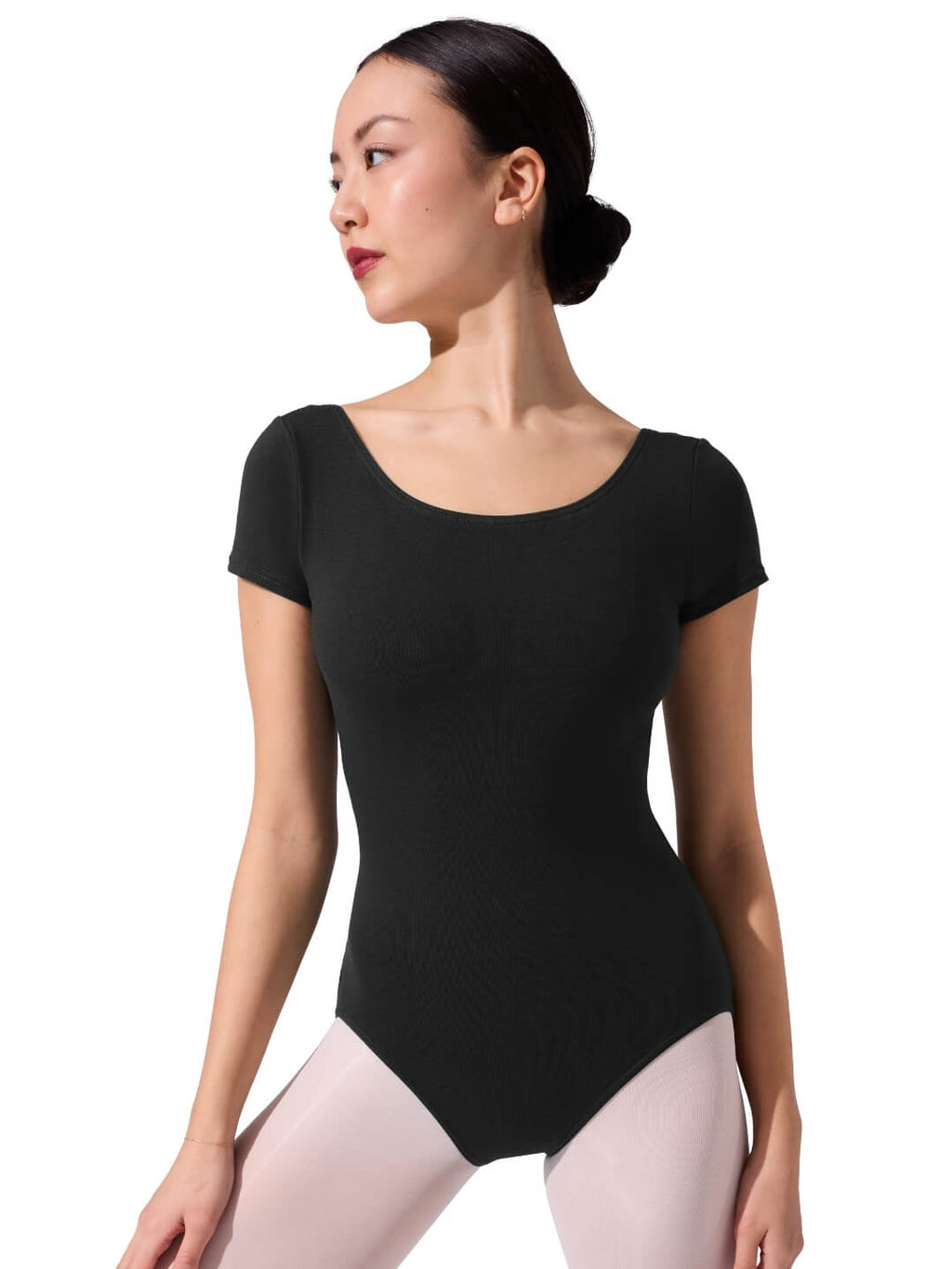
Women's Tank Leotards

Shop women’s tank leotards for a sleeveless fit that leaves your arms free to move through class and rehearsal. Explore tank-style dance leotards and compare neckline, back coverage, and fabric details to find an option that suits your training needs and studio dress code.

FILTERS

0 ITEMS
GRID VIEW:
Women’s tank leotards provide a close-fitting foundation for dance, with sleeveless construction that leaves the arms free for movement. The tank silhouette combines shoulder coverage with an open range of motion, making it a practical choice for ballet class, contemporary rehearsal, jazz technique, and other training settings where fitted dancewear is appropriate. A leotard keeps the torso covered without the loose fabric of a separate top, helping dancers and instructors see alignment through the shoulders, ribs, waist, and hips. During a port de bras, a turn combination, or a transition to the floor, a well-fitting garment should move with the body rather than demand repeated adjustment. Tank straps offer more shoulder coverage than narrow straps, although their stability depends on strap placement, garment construction, and individual fit. Neckline and back shape also influence how a leotard feels in motion. A higher neckline offers greater coverage when bending forward, while a lower back changes coverage and may affect compatibility with an additional support layer. Armholes should allow comfortable reaching without cutting into the underarm or leaving excessive gaps. These details matter during ordinary studio work, from holding the arms in second position to extending overhead through a full-body stretch. Leg openings are another functional consideration. Different cuts change coverage at the hip and how the garment sits beneath tights, shorts, or fitted dance pants. The right option follows studio requirements while allowing the dancer to lift, bend, and extend without pulling at the fabric. For students building consistent technique, adult dancers returning to class, and experienced performers maintaining a regular training schedule, the appeal is straightforward: a secure base layer with fewer loose edges to manage. Tank leotards can serve as required classwear, rehearsal essentials, or a foundation for performance dressing when the assigned requirements permit. Their usefulness comes from the balance of coverage, freedom through the arms, and a fit that stays comfortable across repeated movement.

Fabric and construction determine how women’s tank leotards stretch, recover, and feel against the skin. Cotton blends can provide a soft feel with breathability, while nylon and polyester blends can offer a smooth surface and different drying characteristics. Fiber content alone does not tell the whole story. Knit structure, fabric weight, lining, and the amount of stretch fiber all affect performance. Spandex adds elasticity, allowing fabric to extend with movement and return toward its original shape. That recovery helps a fitted garment maintain its shape through repeated bends and extensions, although performance varies by blend and construction. Tank Spandex Leotards provide a related category for dancers considering stretch-focused fabric options. Some dancers prefer a softer hand for extended technique classes, while others prioritize a smooth fabric that layers easily beneath tights or rehearsal bottoms. A lighter fabric may feel less substantial, but added lining can change both coverage and comfort. Front lining can provide an additional layer across the torso, and some constructions include a shelf bra for light bust support. Neither feature should be assumed to provide the support every dancer needs. Compatibility with a separate dance bra depends on the neckline, back opening, straps, and personal preference. Fit deserves the same attention as material. Torso length can be especially important because a leotard spans the shoulders through the crotch. A garment that is too short may pull at the shoulders or leg openings; one that is too long may gather through the waist or shift during movement. Bust, waist, and hip measurements work alongside girth measurements to give a more useful picture than a usual clothing size alone. Comfortable fit feels close without restricting a deep plié, an overhead reach, or a seated stretch. Seams should lie smoothly, straps should stay in place, and openings should maintain coverage through the movements used in class. Dancers with different proportions may find that the same labeled size fits differently across cuts, so the relevant size chart and construction details remain important.

A tank leotard also works within the layers dancers use throughout a training day. Ballet tights create a familiar class foundation, while fitted shorts or dance pants can add coverage for rehearsal, floorwork, or travel between studio spaces. The combination should preserve movement rather than add pressure at the waist or create bulky seams. A skirt may be appropriate where a studio dress code allows it, but the leotard remains the fitted layer underneath. Color requirements, neckline rules, and permitted support garments can differ between schools, programs, and rehearsal settings. Those requirements often matter more than personal preference, particularly for examinations, auditions, or assigned performance wear. Durability becomes important when a garment moves through frequent classes and repeated washing. Stretch recovery, secure stitching, and resilient finishes help maintain function, but care habits also affect how long the leotard performs. The care label provides the most reliable instructions for the particular fabric and construction. Where permitted, gentle washing with mild detergent can reduce unnecessary stress on fibers and seams. Rough fasteners, exposed hook-and-loop closures, and abrasive fabrics can catch or damage smooth dancewear in a shared wash load. Heat may affect stretch fibers, so drying methods should follow the garment’s instructions rather than the routine used for everyday clothing. Allowing a worn leotard to dry before storing it and changing out of damp dancewear after training support a more practical care routine. Rotating between clean garments can also help dancers manage consecutive classes without relying on rushed washing and drying. As a gift, a tank leotard is most useful when the recipient’s measurements, preferred coverage, support needs, and studio requirements are already known. A familiar silhouette can suit a dancer preparing for a new program or maintaining an established practice. Across those uses, the strongest choice is one that fits the dancer’s body and workload, allowing attention to stay on technique, repetition, and progress.

FAQ