25% OFF $100+ & FREE SHIPPING | CODE: BF25

20% OFF NO MINIMUM SPEND | CODE: BF20

Durable Body Tights

Durable body tights provide the reliable support dancers need for training, rehearsal, and performance. Designed to withstand repeated movement and the demands of daily practice, these tights offer consistent coverage and flexibility. Built for dancers who require lasting comfort and freedom of motion, durable body tights help maintain focus on technique and progression. Each pair is crafted to deliver dependable function, supporting every leap, stretch, and turn with confidence.

FILTERS

0 ITEMS
GRID VIEW:
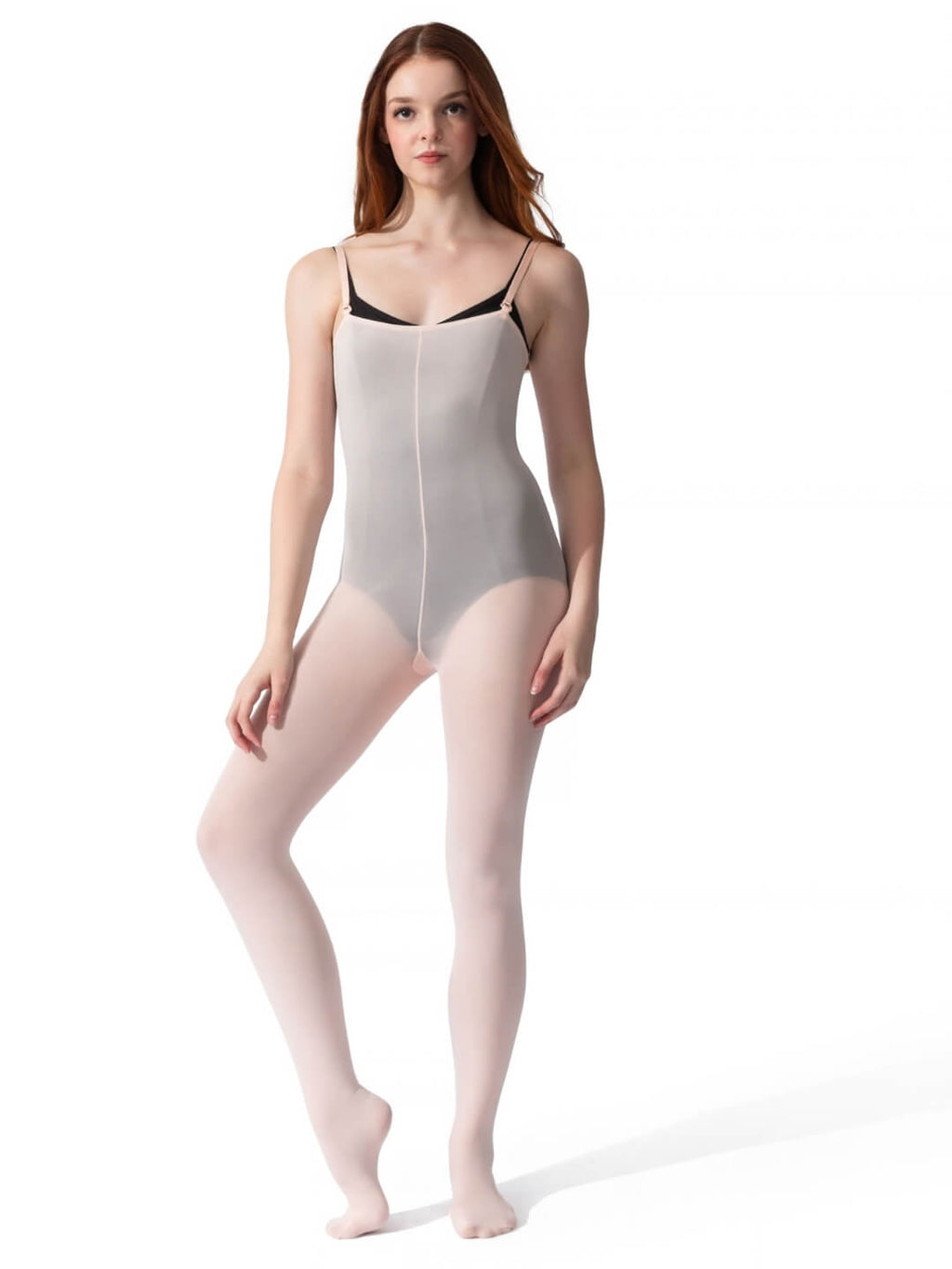
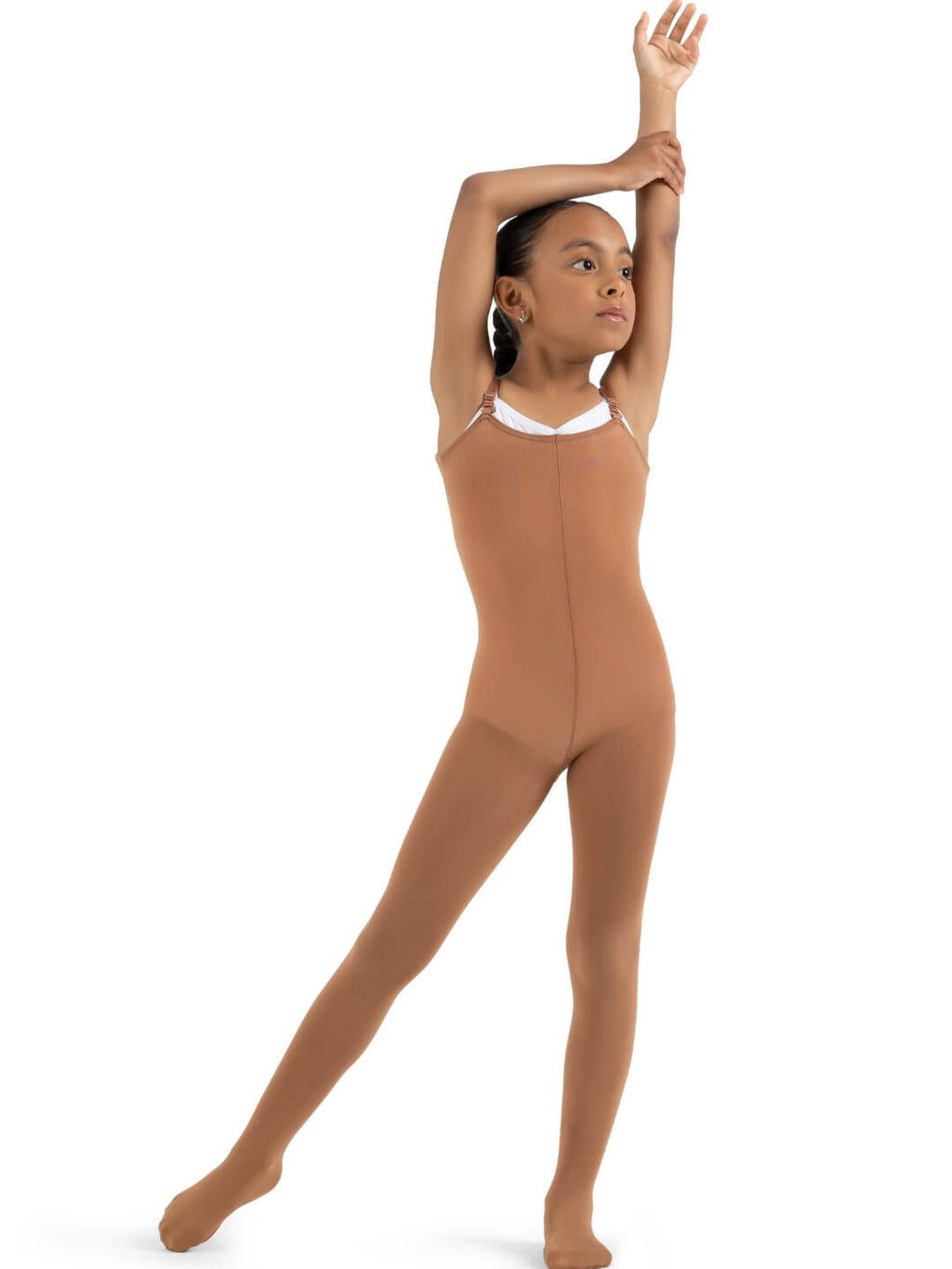
Durable body tights provide continuous coverage from the torso through the legs, creating a close-fitting foundation for dancewear. Often held in place with shoulder straps, they support movement without a separate waistband across the middle of the body. That construction can be useful under a leotard, especially when a dancer wants coverage that stays connected through overhead stretches, deep pliés, and repeated changes of direction. Durability comes from a combination of fabric strength, stretch recovery, sound construction, and proper fit. It does not mean that tights cannot snag or tear. Dance puts repeated tension on the knees, seat, feet, and torso, so fabric needs to extend with the body and return toward its original shape between movements. Nylon and spandex blends are common because nylon contributes strength and a smooth surface, while spandex supplies stretch. The balance between these fibers affects how tights feel, how closely they fit, and how well they recover after extension. Dancers comparing Nylon Body Tights can consider these material characteristics alongside the coverage and construction needed for their training. Fine yarns can provide a soft feel without relying on bulky fabric, while a denser knit may offer more coverage. Fabric weight alone does not establish durability, however. Yarn quality, knitting, stitching, and the amount of tension placed on the garment all matter. A lightweight body tight with suitable stretch can move comfortably through barre work, center combinations, and rehearsal. A more substantial knit may suit dancers who prefer additional coverage beneath performance apparel. Coverage can also change when fabric stretches, making a movement check more useful than judging the material only while it is folded. The goal is dependable coverage that lets the dancer focus on technique rather than adjusting layers. For students, adult dancers, and performers, the most useful choice balances softness against the skin with enough resilience for the demands of regular wear.

Fit plays a central role in how durable body tights perform. Because the garment covers both the torso and the legs, height and torso length matter alongside hip and waist measurements. A size that fits the legs but pulls through the shoulders or crotch can restrict movement and place unnecessary strain on the fabric. Excess length can create folds behind the knees or allow material to gather inside dance shoes. The appropriate size should feel close to the body without forcing the shoulders down, digging into the skin, or limiting a full range of motion. Measurements compared with the applicable size chart offer a more reliable starting point than everyday clothing size. Adjustable straps, where included, allow the upper section to sit securely without excessive tension. Strap placement also matters beneath a leotard, particularly during port de bras and floor work. Seams should lie comfortably against the body, and the crotch area should remain in place through bending and extension. Foot construction adds another practical consideration. Footed body tights cover the feet and create a consistent layer inside dance shoes. Footless construction leaves the feet uncovered for work that requires direct contact with the floor. Convertible construction uses an opening under the foot so the lower section can be moved between covered and uncovered positions. That flexibility can help during a rehearsal schedule that includes both ballet footwear and barefoot movement, provided the opening sits comfortably when the foot is covered. A secure finish around the opening matters because this area receives repeated handling. Before a long rehearsal or performance, a few pliés, tendus, and overhead reaches can reveal pulling, bunching, or strap tension that is less noticeable when standing still. Body tights should accommodate the dancer’s movement rather than require a change in technique. They can serve developing students learning consistent studio habits, dancers returning to training, and experienced performers managing long rehearsal days. For a gift, confirmed sizing and the dancer’s preferred foot construction help make the choice practical and personal.

Care and handling help preserve the fabric strength that durable body tights are designed to provide. Stretch dancewear receives repeated stress, and small habits can reduce avoidable damage. Smooth nails and hands are important when dressing because a rough edge can catch fine yarns before class even begins. Jewelry, rough fasteners, and splintered surfaces can also snag the fabric. Gathering each leg before easing it over the foot allows the material to move gradually into place, rather than taking the full force of a pull from the top. Distributing the fabric evenly through the legs and torso helps prevent concentrated tension at the knees, crotch, or straps. After wear, following the care label is the best way to protect the particular fiber blend and construction. Where hand washing is recommended, gentle handling with mild detergent helps remove perspiration without aggressive rubbing. Thorough rinsing keeps detergent residue from remaining against the skin. If machine washing is permitted, a mesh laundry bag and the recommended cycle can reduce contact with zippers, hooks, and other garments. Excessive heat, harsh treatments, and forceful wringing can affect stretch fibers, so drying methods should also follow the label. Keeping tights away from rough shoe soles and exposed fasteners in a dance bag helps protect them between uses. Fully drying them before storage supports regular care and keeps damp fabric from sitting against other gear. Periodic checks around the feet, seams, straps, and convertible openings can identify wear before an extended rehearsal. No body tight is immune to abrasion, and a damaged area may continue to weaken under repeated stretch. Dependable performance comes from matching the construction to the dancer’s routine, choosing a fit that avoids unnecessary strain, and treating the fabric carefully. With those considerations in place, body tights offer a functional foundation for training and performance, providing coverage and freedom of movement without adding a separate waistband to adjust.

FAQ