25% OFF $100+ & FREE SHIPPING | CODE: BF25

20% OFF NO MINIMUM SPEND | CODE: BF20

Nylon Body Tights

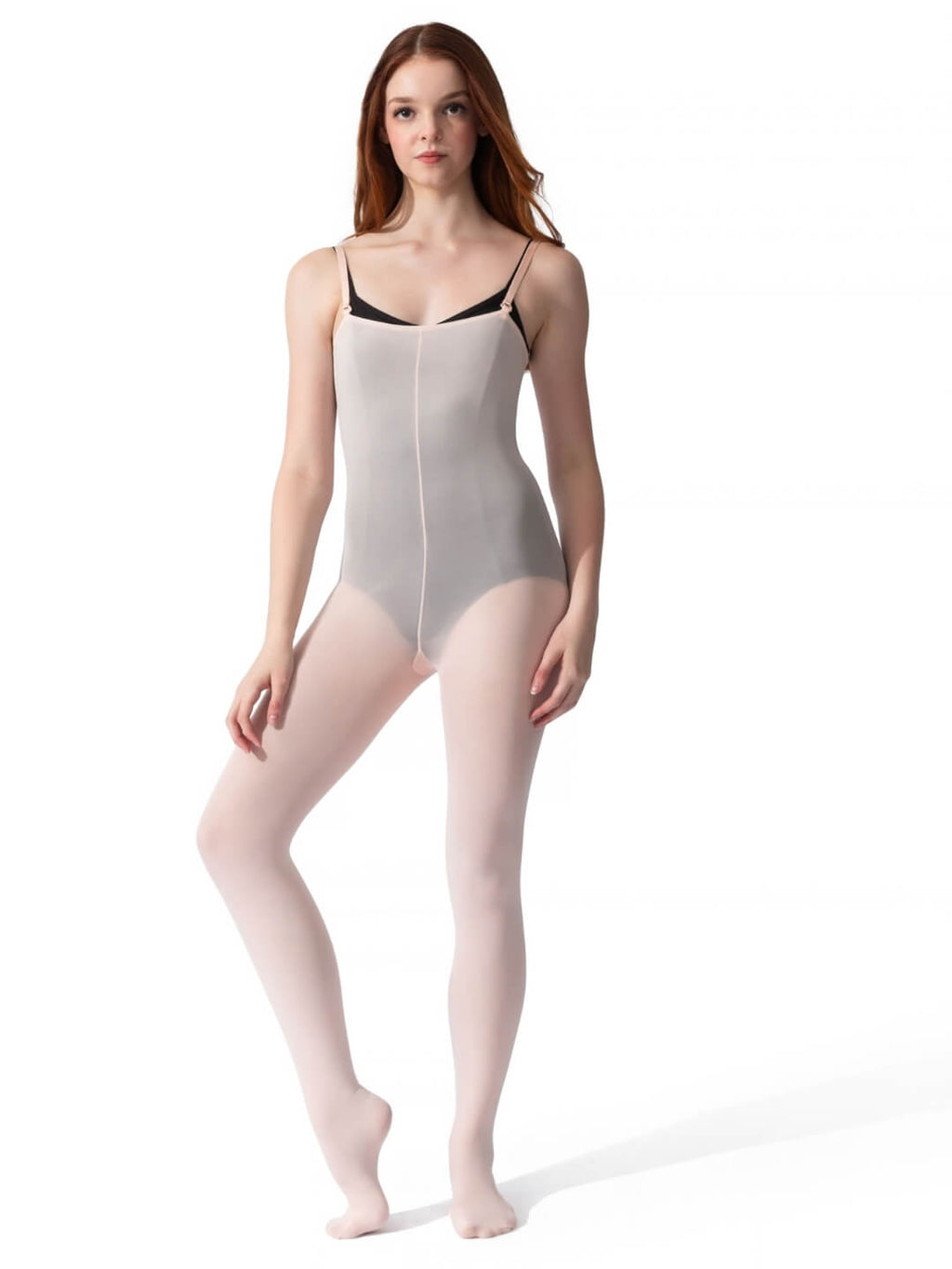
Nylon body tights deliver consistent support and coverage for dancers at every level. Built for movement, these tights offer a streamlined fit that stays in place through intense training and performance. Designed to meet the demands of dance, nylon body tights provide the flexibility and durability needed for a full range of motion, helping you focus on your technique without distraction.

FILTERS

0 ITEMS
GRID VIEW:
Nylon body tights are one-piece dance hosiery that covers the torso and legs while leaving the arms and neck free. Designed to sit close to the body, they provide a continuous base layer beneath leotards and other performance apparel. Unlike waist-high tights, body tights extend through the torso, removing the separate waistband at the midsection. That construction can be useful when choreography includes deep bends, extended reaches, and repeated changes of direction. The fabric needs to follow the dancer through each movement without pulling at the shoulders or restricting the hips. Nylon provides a lightweight, smooth foundation, while stretch fibers such as spandex help the garment expand and recover. The balance of fibers affects how the tights feel, how much they stretch, and how well they return to shape after wear. Fabric weight and construction also influence coverage, so not every pair delivers the same degree of opacity. A sheer layer and a more opaque layer serve different performance needs, especially beneath close-fitting apparel or under stage lighting. Body tights are a base layer, not a substitute for the coverage required by a studio or production. Strap design, neckline depth, and seam placement help determine how a pair works beneath another garment. Where offered, adjustable straps allow the torso fit to be refined, while different strap materials can accommodate different neckline requirements. A smooth fit matters beyond appearance. Excess fabric can gather behind the knees or at the hips, and overly tight fabric can create tension during a plié or high extension. Well-fitted nylon body tights should remain close to the body while allowing the dancer to breathe and move freely. Their role is practical: to provide coordinated torso and leg coverage in a single garment that works with the demands of rehearsal and performance. Dancers may use them for ballet, jazz, contemporary work, or productions that call for a consistent foundation beneath stage apparel.

Fit is especially important with body tights because the garment must accommodate both leg length and torso length. Height and weight measurements provide a starting point, but the applicable size chart remains the best reference for each style. A dancer with a longer torso may need a different fit from someone of similar height whose proportions differ. Enough length through the body allows the straps to rest comfortably instead of pulling down on the shoulders. Across the legs, the fabric should stretch evenly without sagging at the ankles or bunching at the knees. Movement gives a clearer picture than standing still. In a deep plié, the hips and knees need room to bend; during an overhead reach, the torso section should follow the body without excessive tension. The intended layering arrangement matters, too. A neckline that works beneath one leotard may extend beyond another, and strap placement can affect comfort beneath fitted shoulder straps. Foot construction is another functional distinction. Footed body tights cover the feet and provide a continuous layer inside dance shoes. Footless styles leave the feet uncovered for settings where bare feet are appropriate. Convertible styles, when offered, include an opening that allows the foot section to be worn over the foot or moved above it. That flexibility can be useful for dancers moving between shoe-based work and barefoot exercises, provided the style meets studio requirements. The opening should sit comfortably and should not create an unwanted fold inside the shoe. Color selection also serves a practical purpose. A production may require a specific shade, while a dancer choosing a skin-tone base layer may prioritize a close match and consistent coverage. The shade name alone cannot establish that match, since skin tones vary. For dancers who need leg coverage without a torso section, Nylon Dance Tights offer a related category to consider. The main distinction is the coverage through the body, rather than a universal difference in fabric. Body tights suit layering needs that call for both torso and leg coverage in one piece.

Durability depends on the fabric, construction, fit, and treatment between wears. Nylon contributes strength without requiring a heavy garment, but fine hosiery can still snag on rough surfaces, jewelry, or hook-and-loop fasteners. Stretch fibers support recovery, yet a pair pulled beyond its intended fit remains under unnecessary tension. Correct sizing therefore supports both movement and garment life. Dressing carefully also matters. Gathering the leg fabric before drawing it upward helps distribute tension instead of concentrating the pull at one small point. Smooth hands and trimmed nails reduce the chance of catching a fine knit, especially around the foot opening or straps. Care instructions vary by construction, so the garment label should determine washing and drying methods. Where permitted, gentle washing with mild detergent helps remove perspiration without aggressive handling. Excessive heat can affect stretch fibers, and bleach or harsh treatments may damage the fabric. Air-drying, when recommended, avoids the high heat and tumbling that can stress delicate hosiery. Keeping tights away from exposed fasteners in a dance bag helps protect them between the studio and the stage. Before a rehearsal or performance, checking the straps, seams, and feet can reveal a small snag or stretched area before it becomes a distraction. Nylon body tights can serve students, recreational dancers, and experienced performers whenever the required coverage and fit align with their training or production needs. They are particularly useful when a dancer wants one base layer beneath a leotard rather than separate torso and leg garments. For recitals, auditions, and rehearsals, the relevant dress requirements should shape the choice. They can also be a practical gift for a dancer when the recipient’s size, preferred shade, and required foot construction are known. Those details matter more than selecting by appearance alone. The strongest choice is a pair that fits the dancer’s proportions, works beneath the intended apparel, and holds its shape through regular wear. Consistent care helps that fit remain dependable, leaving the dancer free to focus on placement, transitions, and the work ahead.

FAQ