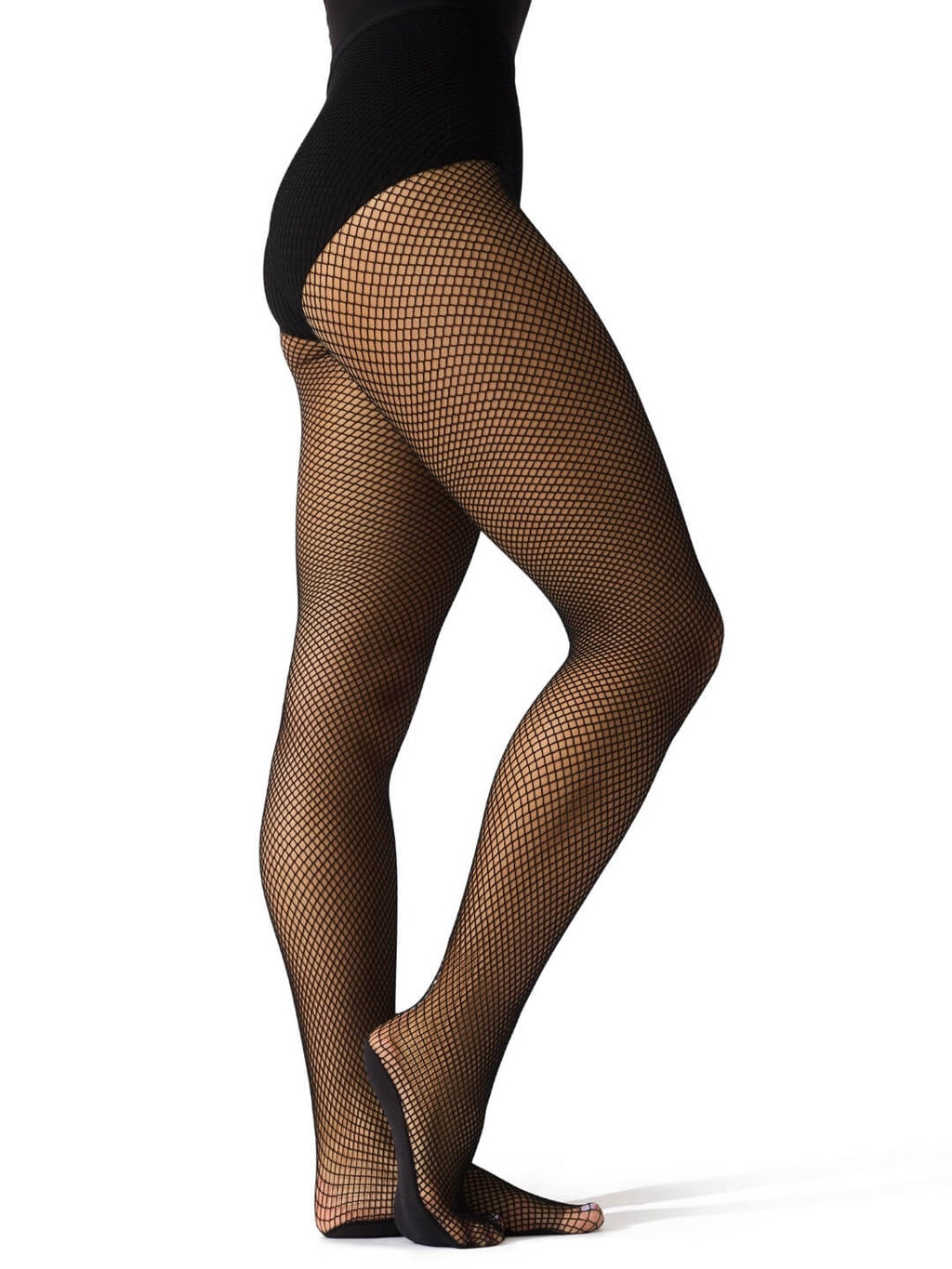
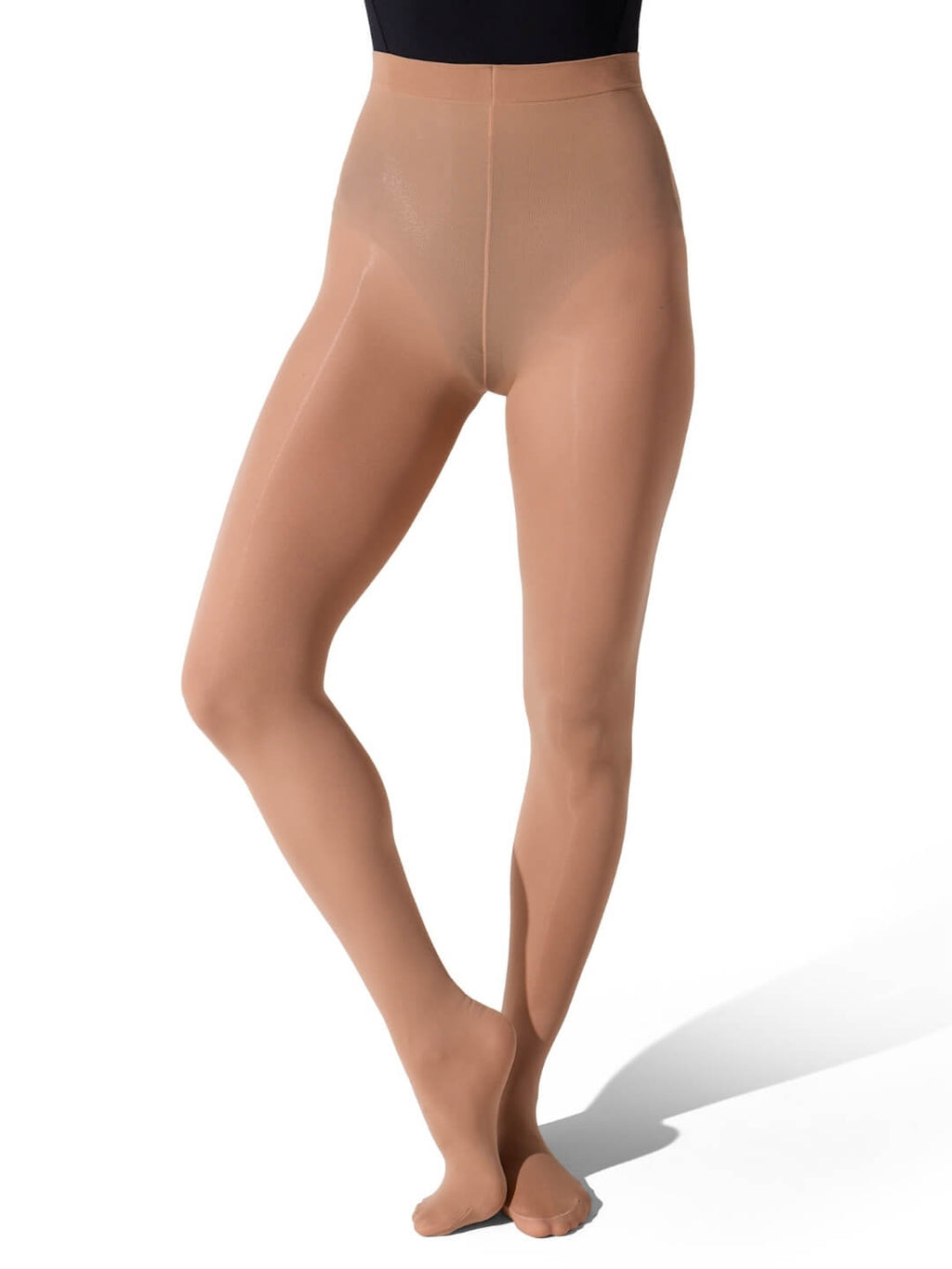
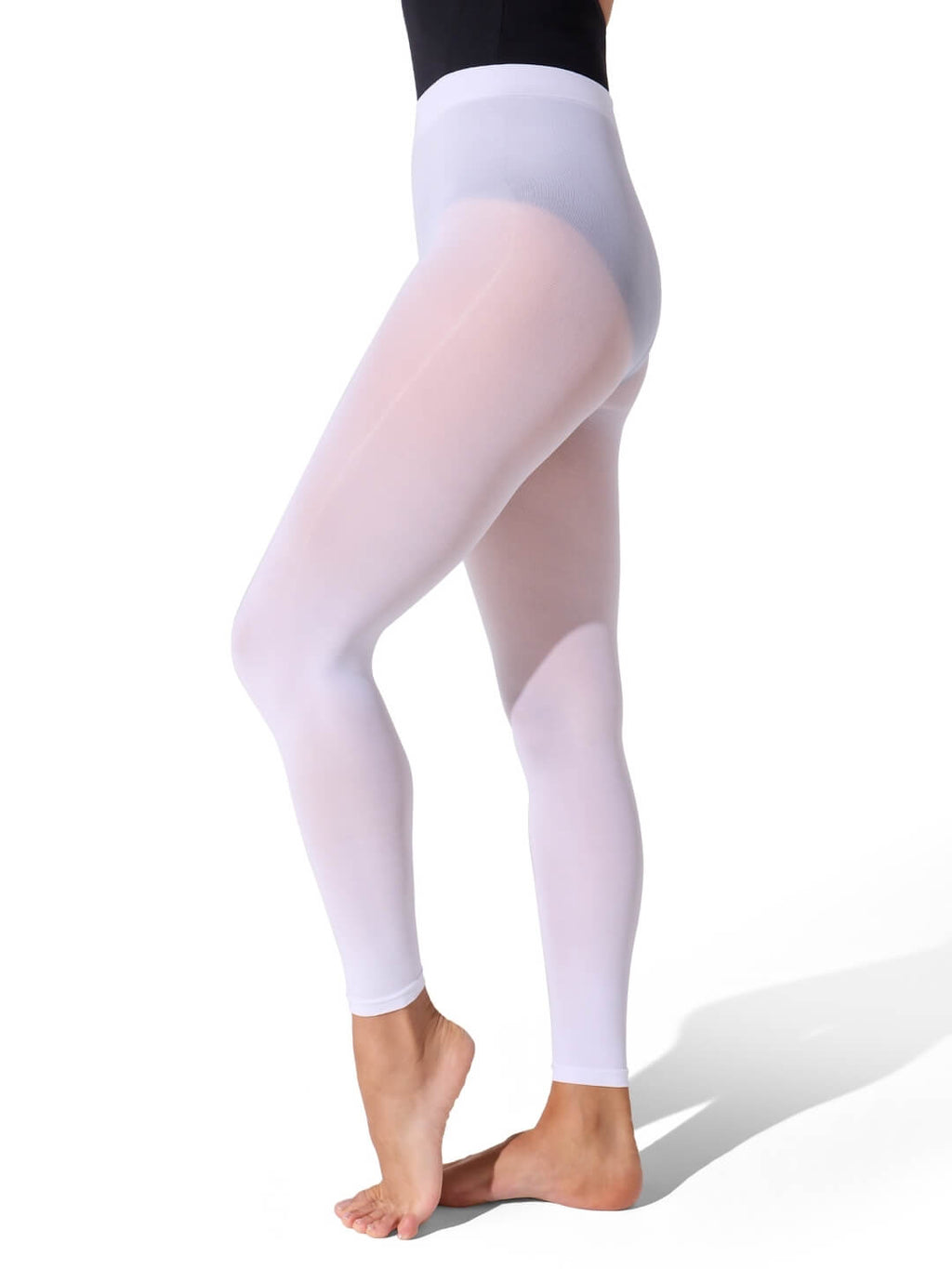
Footed Matte Tights

Footed matte tights deliver consistent coverage and reliable support for dancers at every level. Designed to move with the body, these tights maintain a smooth, non-reflective finish that keeps focus on performance. Engineered for durability and comfort, footed matte tights provide the foundation dancers need for daily training and stage work. With a secure fit that stays in place through every routine, they help ensure nothing stands between you and your movement.

FILTERS

0 ITEMS
GRID VIEW:
Footed matte tights provide full leg and foot coverage in a stretch fabric with a low-shine finish. Designed to move with the dancer, they create a consistent layer from the waist through the toes without the glossy surface associated with shimmer tights. The closed-foot construction covers the heel, sole, and toes, helping the fabric sit smoothly inside dance shoes. This makes matte footed tights a practical foundation for ballet class, rehearsals, and performances where full coverage is required. They may also suit tap and jazz training when the studio’s dress requirements and footwear call for tights. Unlike convertible styles, footed tights do not have an opening underneath the foot, so they are intended to stay in place throughout the session. That distinction matters for dancers whose schedules include both shoe-based classes and barefoot work. Many dance tights use nylon and spandex blends. Nylon provides a lightweight fabric base, while spandex allows the knit to stretch through pliés, extensions, and floor-level movement. Fiber content and knit construction affect softness, stretch recovery, and coverage, so the material description is useful alongside the size chart. Microfiber fabrics use fine fibers that can give tights a soft feel against the skin, an important consideration during repeated practice. A matte finish describes the surface appearance rather than the fabric’s thickness. Depending on the construction, matte tights can range from sheer to more opaque, and coverage can change as the material stretches over the body. Their reduced shine helps limit distracting reflections under studio and stage lighting, while a consistent fit keeps attention on movement and alignment. Color requirements vary by school, teacher, and production. The appropriate shade should follow those requirements, whether tights are worn beneath a leotard, paired with fitted dance shorts, or used as part of a coordinated rehearsal uniform. For students and experienced dancers alike, the purpose remains the same: dependable coverage that supports movement without unnecessary bulk.

Fit determines how well footed matte tights perform through a full class. The fabric should follow the body without pulling sharply at the waist, restricting the knees, or gathering behind the ankles. Height and weight measurements provide a useful starting point, but torso length, leg length, and the proportions listed in the size chart also matter. A pair that is too short can pull downward during movement and place extra tension on the toes. Excess length can leave folds inside shoes or around the knees. Properly fitted tights allow the dancer to bend, stretch, and sit without needing frequent adjustments. Waistband construction is another practical consideration. A wider band can distribute pressure across a larger area, while a self-knit waistband can reduce the concentrated pressure of a separate elastic band. Neither construction replaces correct sizing. The waistband should remain secure without digging in, folding over, or distracting the dancer during combinations. Seam placement and gusset construction also influence comfort, especially beneath close-fitting dancewear. Smooth seams help reduce bulk, and a gusset can provide additional room through the crotch. At the foot, the fabric should lie flat beneath the heel and across the toes. Any toe seam should sit comfortably rather than bunch inside a close-fitting shoe. This is particularly important when footwear already has a precise fit, since extra folds can create pressure points during repeated relevés or traveling steps. Footed tights provide a fabric layer, not a replacement for properly fitted shoes or any padding a dancer has been advised to use. Dancers comparing different legwear constructions can also explore Fishnet Matte Tights for an open-knit alternative with a matte finish. The difference is functional as well as visual: open-knit fabric provides different coverage from a continuous knit, and class or performance requirements should determine which is appropriate. For parents purchasing tights for a growing student, checking measurements is more reliable than choosing by age alone. As a gift for a dancer, tights are most useful when the recipient’s size, preferred waistband, and required color are known.

Durability depends on both construction and daily handling. Dance tights stretch repeatedly across the knees, hips, heels, and toes, and even a resilient nylon blend can snag against rough surfaces. A smooth fit helps distribute that stretch instead of concentrating tension in one area. Dressing with clean, dry hands and removing rings or bracelets reduces the chance of catching the knit. Gathering each leg before easing it over the foot gives better control than pulling from the waistband while the fabric is still caught around the toes. The material should be worked gently upward, with enough room left at the foot for natural toe movement. For younger dancers, this routine can help prevent damage before class begins. Shoe interiors deserve attention, too. A rough lining, exposed fastener, or debris inside a shoe can rub against the tights during practice. Keeping toenails smooth and avoiding unnecessary contact with unfinished floors also helps protect the fabric. Care instructions should always follow the garment label, since fiber blends and construction vary. Hand washing in cool water with a mild detergent is a common approach for dance tights. Gentle washing removes perspiration and residue without the friction of a heavy laundry load. Bleach and high dryer heat can damage fibers, and wringing can place unnecessary strain on the knit. After rinsing, press out excess water gently and allow the tights to air dry as directed. If machine washing is permitted, a mesh laundry bag helps separate them from zippers, hooks, and other snagging hazards. Fully drying tights before placing them in a dance bag keeps the fabric ready for the next session. Rotating between pairs allows time for washing and drying between classes. A spare pair can also be useful for rehearsals, auditions, and performances where consistent leg coverage is required. With appropriate sizing, careful dressing, and regular care, footed matte tights serve as a dependable layer for the repeated demands of dance training.

FAQ