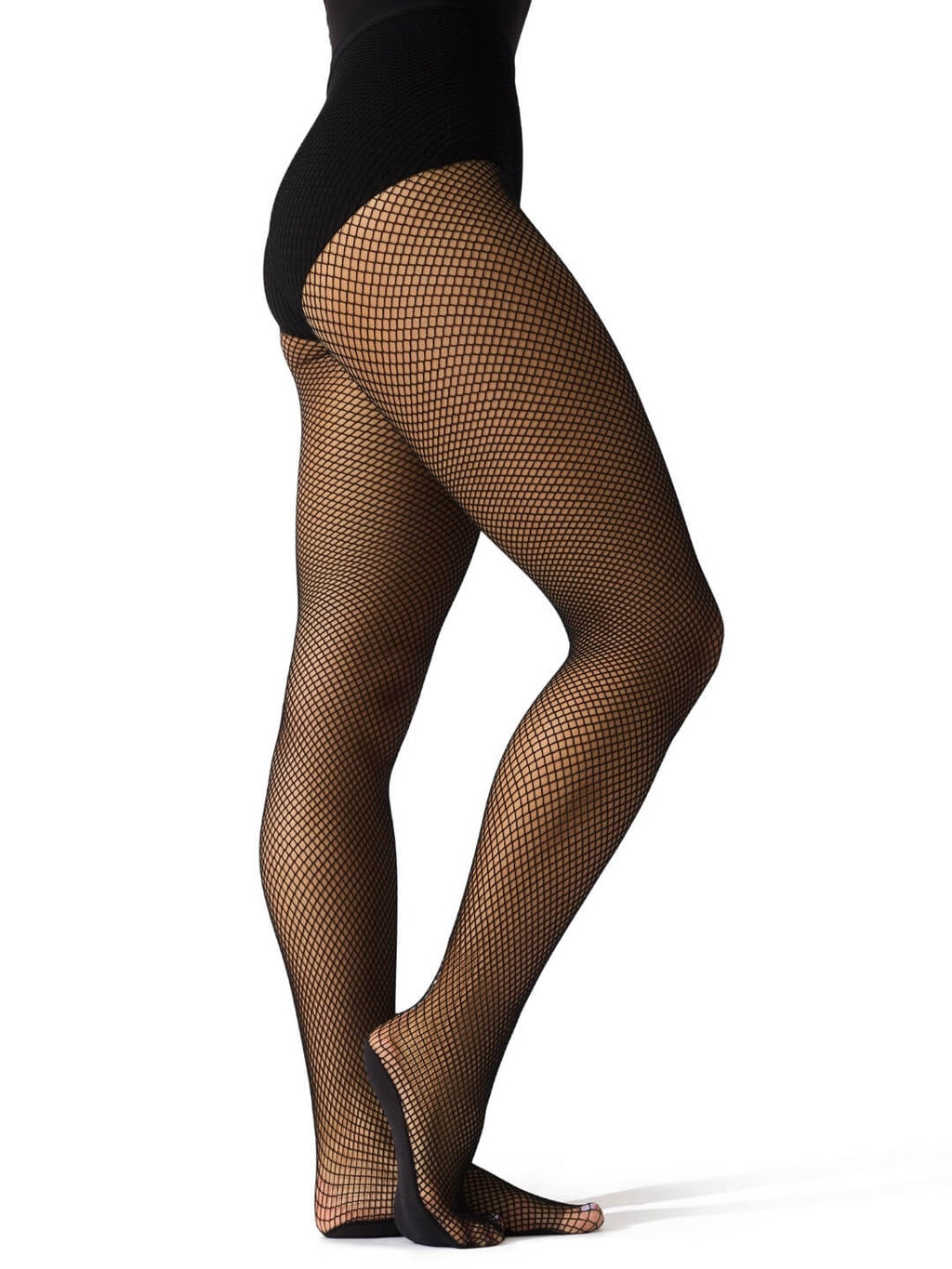
Fishnet Matte Tights

Fishnet matte tights deliver consistent coverage and reliable support for dancers who need durability and flexibility in every movement. Designed to handle the demands of studio training and stage performance, these tights provide a secure fit that moves with you. Fishnet matte tights are trusted by professionals for their resilience, making them an essential part of any dancer’s wardrobe. Whether for rehearsals or live performances, they help maintain comfort and confidence through every routine.

FILTERS

0 ITEMS
GRID VIEW:
Fishnet matte tights are stretch mesh dance tights with a low-shine finish that limits surface shine under stage, studio, and camera lighting. Built for movement, they provide an open-knit layer that follows the legs through extensions, bends, and changes of direction. Matte describes the finish, while fishnet describes the mesh construction. These tights are not the same as opaque tights, and their coverage depends on the size of the mesh openings, the yarn, and how much the fabric stretches when worn. For dancers in jazz, tap, musical theater, and other performance settings, that distinction matters. The tights need to work with the choreography, the footwear, and the requirements of the production. Nylon and spandex are common materials because nylon contributes strength while spandex allows the fabric to stretch and recover. A balanced blend helps the mesh move with the dancer rather than restrict a deep plié or pull at the knees during floor work. Stretch recovery also helps maintain a close fit between movements, although the level of recovery varies by construction. Smaller mesh openings generally provide more coverage, while larger openings leave more space between the yarns. Neither structure automatically indicates greater durability. Yarn quality, reinforcement, fit, and handling all contribute to how well a pair holds up. A matte finish can help limit distracting shine, but the effect still depends on lighting intensity, color, and the surrounding fabrics. For ensemble performances, consistent color and mesh size can help keep leg coverage uniform across dancers. Seam placement is another consideration. Seamless construction avoids a visible back-seam line, while seamed construction may be required for a particular production. The practical choice is the one that meets the performance requirements without interfering with movement. Fishnet matte tights serve as a functional layer beneath dancewear, giving dancers stretch mesh coverage for rehearsal or stage use without the glossy finish associated with some hosiery.

Fit determines how comfortably fishnet matte tights perform through a full class, rehearsal, or show. Height and weight ranges on a size chart are useful starting points, but torso length, leg length, and the amount of stretch in the fabric also affect the fit. The waistband should stay in place without digging into the waist, and the crotch should sit comfortably rather than pull downward when the dancer lifts a leg. Excess tension can make the mesh openings spread unevenly and place unnecessary strain on the yarn. A pair that is too loose may bunch behind the knees or shift inside shoes. A secure fit allows a dancer to focus on a traveling combination instead of stopping to readjust. Waistband construction matters during repeated bending and changes of level, especially when tights sit beneath a fitted leotard or dance shorts. Flat construction can reduce bulk where layers overlap, while a wider waistband may distribute pressure across more of the waist. Comfort remains individual, so construction details should be considered alongside the dancer’s usual preferences. Foot construction deserves equal attention. Some fishnet tights extend the mesh over the foot; others include a solid or reinforced footbed. A solid footbed can create a smoother layer between the sole of the foot and the inside of a dance shoe, reducing direct contact with the mesh. Reinforcement may also help protect an area exposed to repeated friction. It does not replace a properly fitted shoe or guarantee that the foot will stay in place. Dancers who work through quick weight transfers, repeated turns, or long sequences should consider how the tights feel with their actual performance footwear. Toe space, pressure across the ball of the foot, and fabric bunching can all affect comfort. Testing the combination during rehearsal helps identify problems before a performance. Dress requirements also take priority: fishnet tights may suit a theater production or jazz performance but may not meet the requirements of every dance class, examination, or company.

Durability in fishnet matte tights depends on both construction and everyday handling. Stretch mesh needs enough flexibility for movement, yet its open structure can catch on rough surfaces, jewelry, shoe hardware, and damaged fingernails. Reinforced areas may help withstand repeated wear, but no mesh fabric is completely snag-proof. Putting tights on gradually, with the fabric gathered and eased over each foot, helps avoid concentrating force in one small section. Pulling sharply from the waistband can strain the legs and crotch before the tights are fully positioned. Smooth hands and careful adjustments are useful habits, particularly when changing quickly between rehearsal and performance. During floor work, abrasive flooring can create additional wear at the knees and hips, so intended use should influence the choice of construction. A dancer wearing fishnets for occasional stage appearances may have different needs from one rehearsing the same production several times a week. Care instructions should always follow the garment label. Many stretch tights benefit from gentle washing with mild detergent and careful handling while wet. High heat can affect elastic fibers, and rough agitation can tangle or catch the mesh. When the label permits hand washing, light pressure is preferable to twisting or wringing. Air drying away from direct heat helps protect stretch, while storing tights separately from hook-and-loop closures and exposed hardware reduces opportunities for snagging. Regular checks around the toes, footbed, waistband, and crotch can reveal wear before it becomes a distraction in rehearsal. For dancers who also need a non-mesh option with coverage extending over the feet, Footed Matte Tights offer a related category to consider according to class or performance requirements. Fishnet matte tights can also make a practical gift for a dancer when the preferred size, color, mesh structure, and dress requirements are known. Those details matter more than guessing from appearance alone. A suitable pair should accommodate the dancer’s range of motion, work comfortably with their shoes, and suit the demands of the setting. With appropriate fit and care, matte fishnet tights provide a dependable stretch layer that lets dancers concentrate on timing, technique, and performance.

FAQ