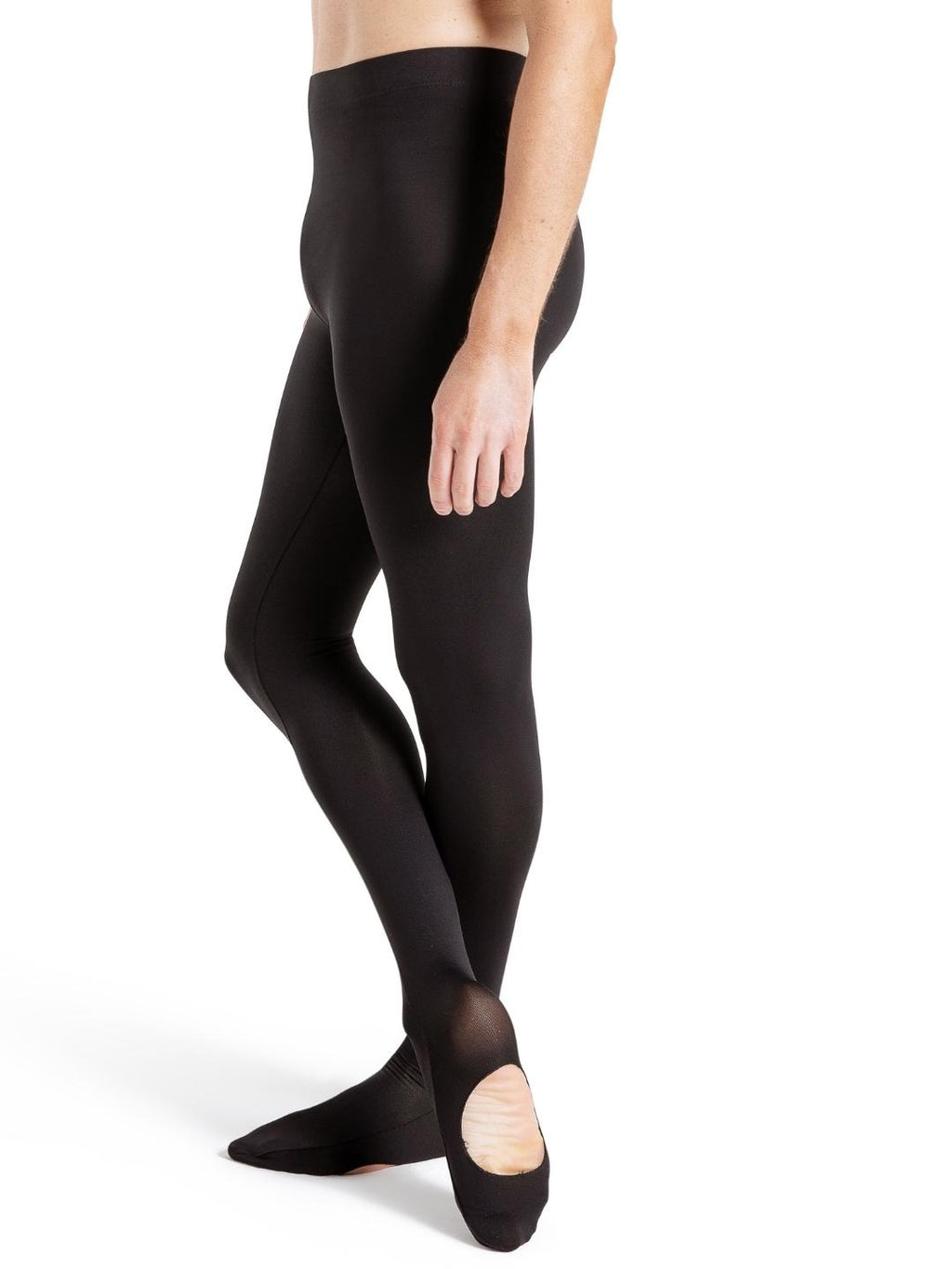
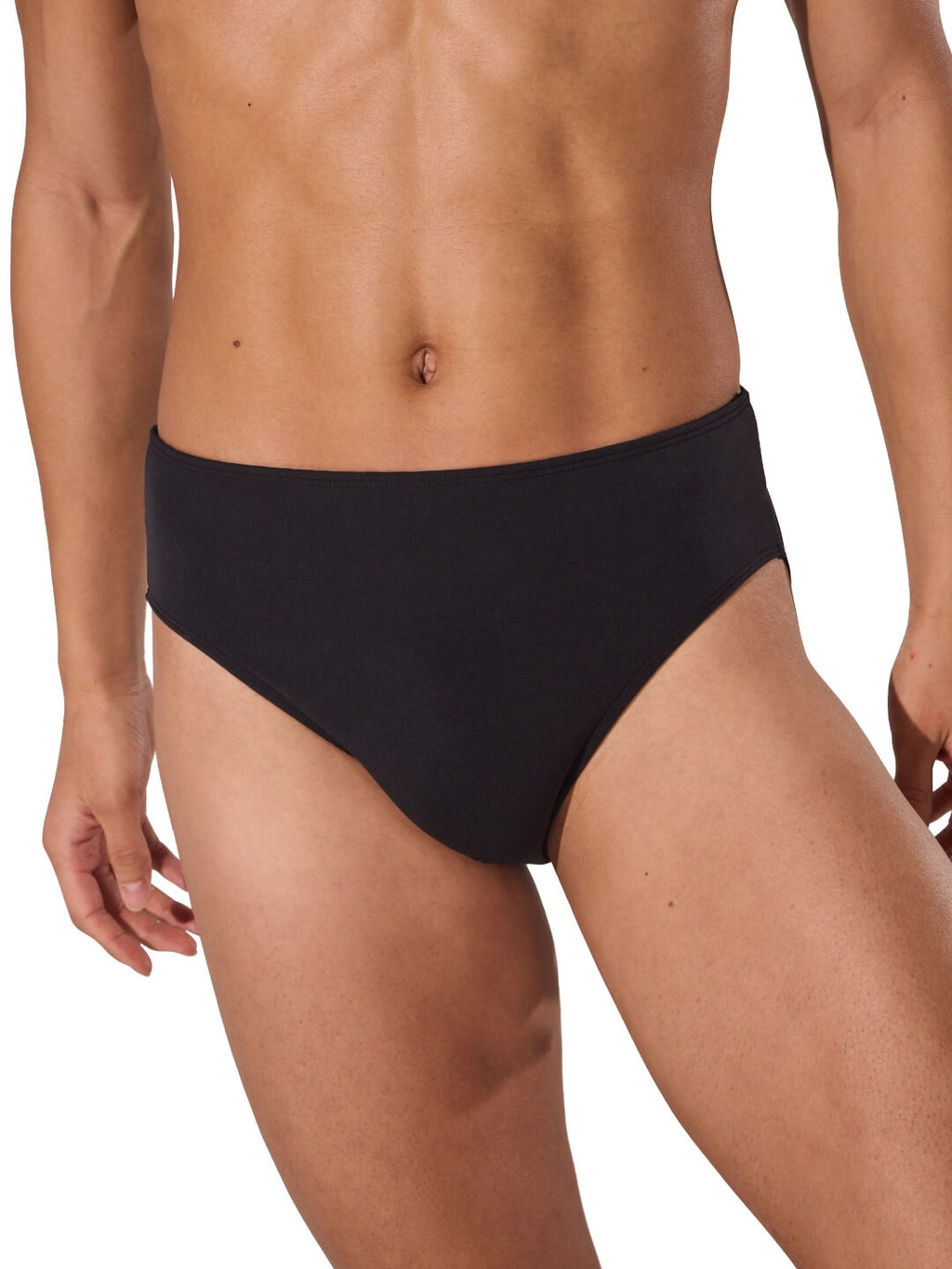
Men's Choreography Class Dancewear

Find men's choreography class dancewear for learning combinations, practicing transitions, and refining movement. Explore dance apparel for class and rehearsal, choosing the fit and coverage that suit your movement needs and studio dress code.

Read More

FILTERS

0 ITEMS
GRID VIEW:

Men’s choreography class dancewear supports the freedom to learn, repeat, and refine movement without unnecessary distraction. Classes can move from warm-up and phrase work to improvisation, floorwork, and full-out runs, making fit and mobility important throughout the session. Clothing should give the shoulders, hips, and knees room to move while providing coverage through changes in level and direction. A closer fit can help keep body placement visible when working on alignment and precision. A more relaxed fit may suit classes that call for greater ease or a less restricted silhouette. The right balance depends on the movement style, the studio’s expectations, and the dancer’s preference. For men building a class wardrobe, versatile dancewear makes it easier to prepare for different combinations and rehearsal demands without changing the focus from learning the choreography.

Fit matters beyond how dancewear feels when standing still. Overhead reaches, deep lunges, turns, and seated transitions place different demands on tops and bottoms. Useful considerations include a waistband that feels secure without digging in, enough room through the seat and thighs for extended movement, and a top length that provides the preferred coverage when the arms lift. Excess fabric can make precise placement harder to see or get in the way during close floorwork, while clothing that pulls across the body can interrupt movement. Length also affects function. Bottoms should allow clear footwork without fabric catching beneath the heel, and sleeves should leave the arms free to articulate. When choosing men’s choreography class dancewear, consider both the range of motion required and how much of the body’s line needs to remain visible to the instructor.

A practical class wardrobe also accounts for changing activity levels and repeated use. Removable layers can help dancers adjust between an initial warm-up, detailed instruction, and more physically demanding runs. For sessions with frequent floor contact, coverage at the knees and elbows may be a priority, while faster-paced combinations may call for less bulk. Fabric feel, garment construction, and care requirements are useful points of comparison, especially for dancers attending several classes each week. Beginners may value straightforward options that work across a range of movement, while experienced dancers and choreographers may prefer fits suited to a particular technique or rehearsal process. Studio dress requirements remain an important part of the choice. Build around pieces that accommodate the work you do most often, with comfort, movement, and reliable coverage taking priority from the first exercise through the final run.

Read More

FAQ