25% OFF $100+ & FREE SHIPPING | CODE: BF25

20% OFF NO MINIMUM SPEND | CODE: BF20

Nylon Footless Tights

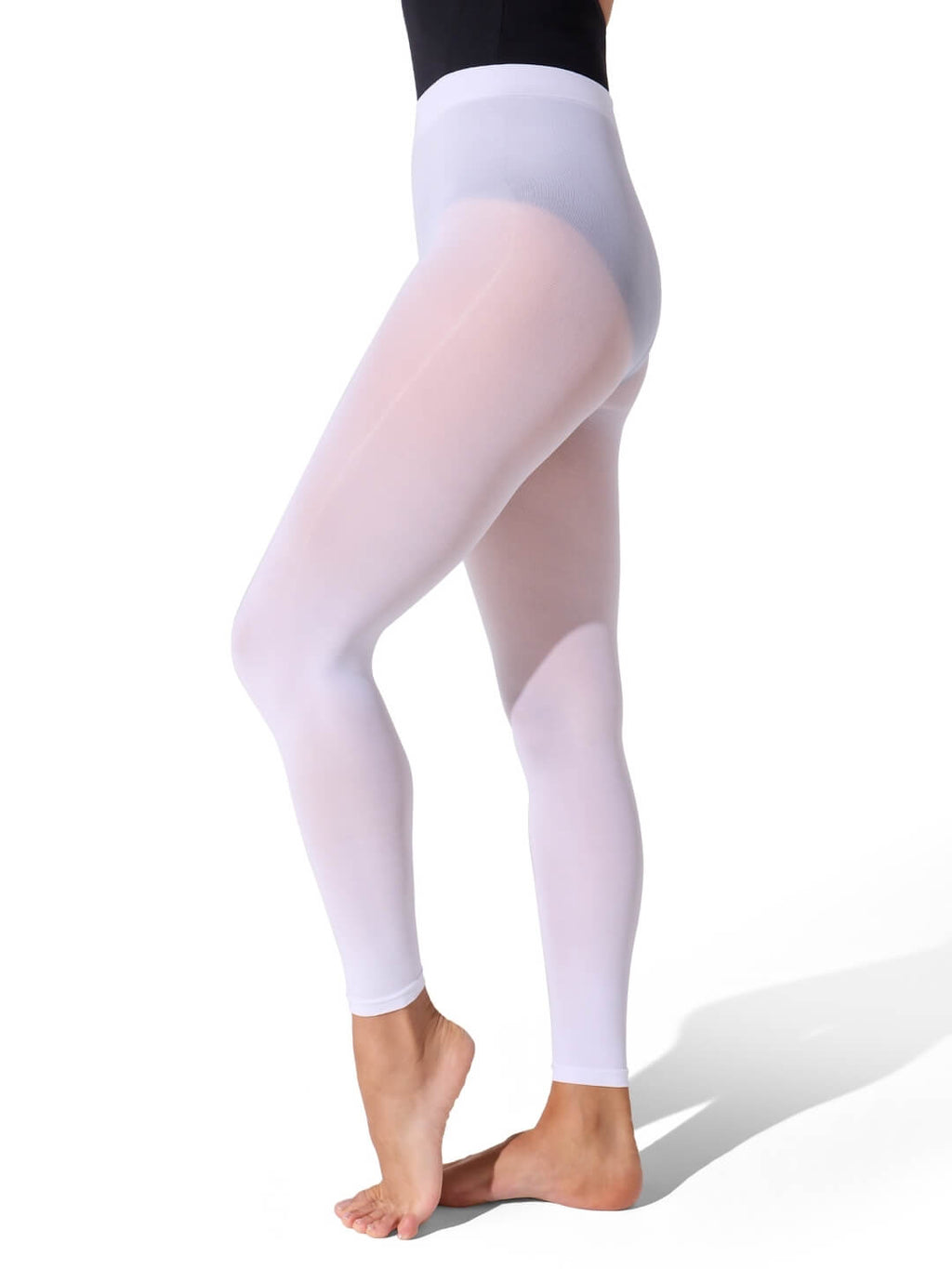
Nylon footless tights deliver reliable coverage and flexible support for dancers at every level. Built to move with you through warm-ups, rehearsals, and performances, these tights offer freedom at the ankle for unrestricted motion. Designed for durability and comfort, nylon footless tights keep up with demanding routines while providing a secure fit that stays in place. Choose a solution that prioritizes movement and performance, so you can focus on perfecting your craft.

FILTERS

0 ITEMS
GRID VIEW:
Nylon footless tights provide lightweight leg coverage while leaving the feet free for barefoot movement or dance shoes worn directly against the skin. Unlike footed tights, they do not enclose the toes, heels, or soles. The leg usually finishes near the ankle, creating a close-fitting layer without adding fabric inside a shoe. That construction makes footless dance tights a practical choice for contemporary and modern dance, along with other classes and rehearsals where uncovered feet suit the movement and studio requirements. A dancer moving from standing combinations to seated floor work can keep coverage through the legs while maintaining direct contact between the feet and the floor. The open-foot design also leaves the toes free to spread and articulate without a toe seam. Footless tights are distinct from convertible tights, which have an opening under the foot that allows the foot section to be pulled back. A footless style has no attached foot section to adjust or tuck away. The right choice depends on the class, choreography, and footwear rather than on one construction being better for every dancer. Ballet classes and performances may require footed tights, while barefoot rehearsals may call for footless coverage. Dress requirements remain an important part of choosing dancewear. Worn with a leotard, fitted top, or dance shorts, nylon footless tights create a streamlined layer that follows the legs through bends, extensions, and changes of direction. They generally offer less bulk than leggings, though fabric weight and coverage vary by construction. That makes them useful when a dancer wants close-fitting legwear without a heavier layer around the knees and hips. For students, recreational dancers, and experienced performers, the benefit is straightforward: coverage where it is needed and uncovered feet where the work demands it. A suitable pair should allow the dancer to focus on a deep plié, a traveling phrase, or a floor transition without repeatedly adjusting the waistband or ankle openings.

Nylon contributes a smooth feel and strength to footless tights, while the knit construction helps determine how the fabric moves against the body. Many dance tights combine nylon with spandex rather than using nylon alone. Nylon provides the main fabric structure, and spandex adds stretch and helps the garment recover after movement. The fiber percentages matter, but they do not tell the entire performance story. Knit density, yarn quality, waistband construction, and the amount of tension created by the fit also affect comfort and coverage. Nylon does not automatically make tights moisture-wicking, and stretch does not mean a garment provides compression. Those features should be identified in the garment details when they are relevant. Dancers comparing fabric blends can also explore Spandex Footless Tights to consider options with an emphasis on stretch. Sheer, semi-opaque, and opaque constructions offer different levels of coverage. Denier can help describe yarn weight, but opacity also depends on the knit, color, and how far the fabric stretches when worn. A pair that looks opaque when relaxed may become more transparent across a bent knee or through the seat. Fit therefore matters as much as the description. Height and weight measurements are often more useful than choosing by everyday clothing size alone, especially when the size chart accounts for both leg length and body proportions. The waistband should stay in place without digging in, and the fabric should sit smoothly through the hips and crotch. Excess fabric behind the knees can bunch during movement, while a pair that is too short may pull downward or place extra tension on the seams. Ankle openings should rest comfortably without restricting a full bend of the ankle. A wide waistband or a finished ankle edge may feel different from a narrower construction, so the details deserve attention. These small differences become noticeable during repeated lunges, seated stretches, and combinations that move quickly between levels. Comfortable stretch should accommodate the full phrase, not just a standing position.

Durability in nylon footless tights depends on both construction and handling. Nylon is valued for its strength, but fine knitted legwear can still snag on rough surfaces, fingernails, jewelry, or fastening hardware. The footless design avoids wear beneath the soles, yet the knees, seat, and ankle edges still experience repeated contact and stretch. Floor work, kneeling, and frequent rehearsals can place different demands on the fabric than a class spent mostly standing. A denser knit may offer more coverage, but no pair of tights is resistant to every snag or abrasive surface. Careful dressing helps protect the fabric before class begins. Gathering each leg and easing it into place distributes tension more evenly than pulling hard from the waistband. Smooth nails and clear hands of jewelry make that process easier, particularly around finished edges and seams. Washing should follow the garment’s care label, since blends, dyes, and waistband materials can have different requirements. When permitted, cool water, a mild detergent, and a gentle wash help limit unnecessary stress. A mesh laundry bag can reduce contact with zippers and hook-and-loop fasteners in a shared load. Avoid wringing the fabric or using high heat unless the care instructions allow it. Air-drying away from direct heat is often suitable for stretch legwear, and letting tights dry fully before storing them helps keep the next wear comfortable. Rotating between pairs also gives each garment time to be washed and dried between sessions. For dancers building a class wardrobe, footless tights can serve as a dependable layer for repeated training when their construction matches the studio’s requirements. They can also make a useful gift for a dance student or regular class participant when the recipient’s size, preferred coverage, and required color are known. Those details are more helpful than choosing by age or general clothing size. The most useful pair is one that fits the dancer’s routine: enough coverage for the setting, enough stretch for the movement, and an ankle finish that stays comfortable through practice. With appropriate fit and care, nylon footless tights support a consistent, movement-ready approach to dressing for dance.

FAQ