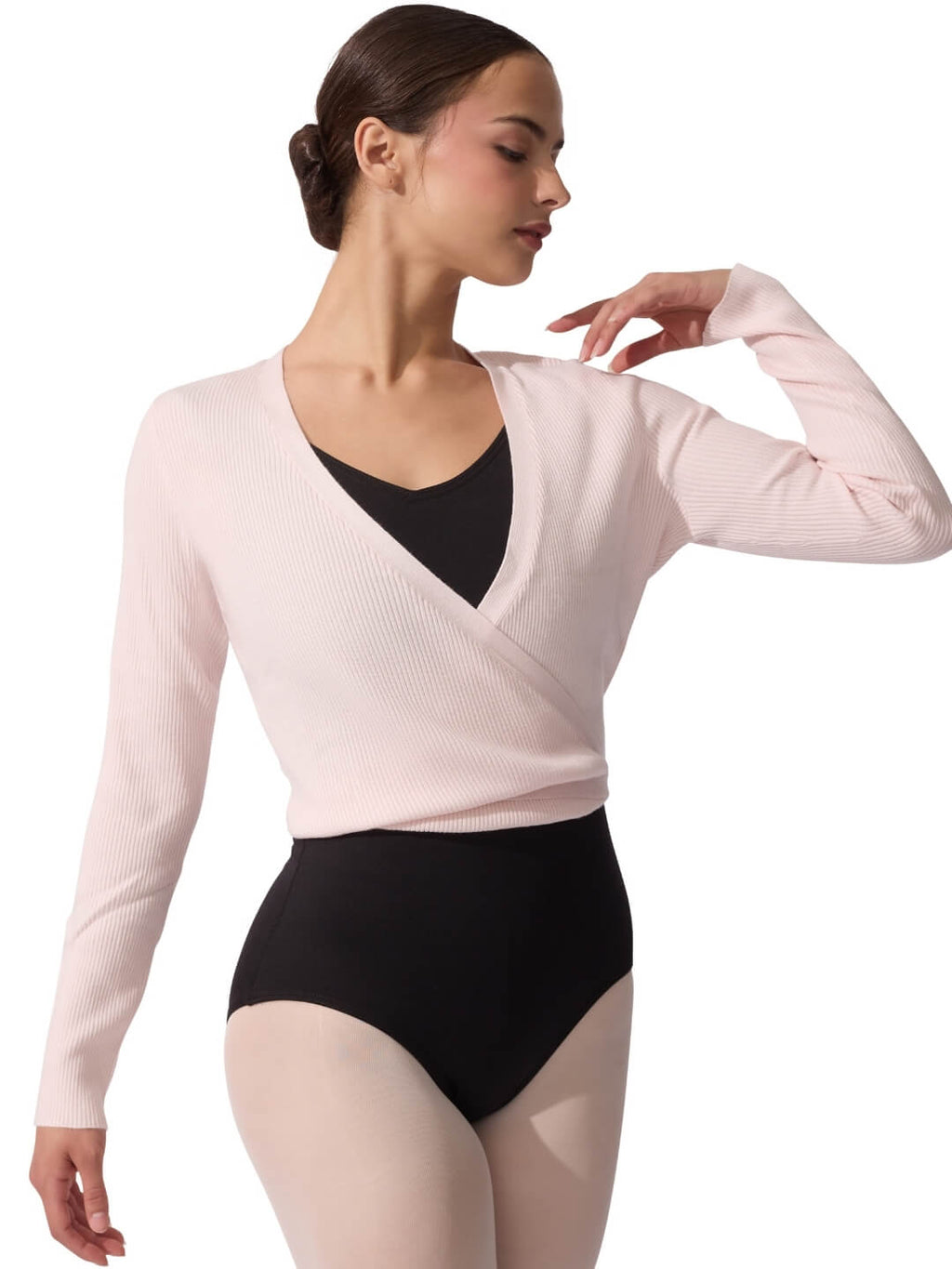
Women's Dance Tank Tops

Shop women’s dance tank tops for a sleeveless option for class, rehearsal, and warm-ups. Explore dance tops to pair with your training bottoms, and compare fit, coverage, and fabric details to find the right option for your movement needs.

FILTERS

0 ITEMS
GRID VIEW:
Women's dance tank tops keep the arms free and provide a practical foundation for studio training. Their sleeveless construction allows room for reaching, rotating, and moving through choreography without fabric around the upper arms. For dancers working through a contemporary combination, repeating jazz isolations, or marking movement before a rehearsal, that freedom helps keep attention on technique. A close-fitting tank can make alignment easier to see, allowing the dancer and instructor to follow the placement of the shoulders, ribs, and torso. A more relaxed fit offers additional room through the body and can work well over a fitted base layer. Neither fit should interfere with the movement being practiced. Fabric that pulls across the back during an overhead reach or gathers around the waist during floorwork can become a distraction over repeated exercises. Length also affects how a top functions. A longer tank offers additional torso coverage through bends and extensions, while a shorter cut reduces excess fabric around the waistband. The right balance depends on the dancer's proportions, preferred bottoms, and class requirements. Necklines, armholes, and straps contribute to that balance. Secure coverage matters when choreography moves from standing work to forward folds, inversions, or grounded sequences. Wider straps may provide more coverage over an underlayer, while narrower straps leave more of the shoulders exposed for movement. Racerback and other shaped-back constructions can change how a tank sits across the shoulder blades, making individual fit especially important. These tops suit adult dancers at different stages of training, from someone returning to weekly classes to a performer spending several hours in rehearsal. Dance instructors may also use them for demonstrations and repeated movement throughout a teaching day. Studio dress requirements still determine whether a tank belongs in a particular class. Where separate tops are permitted, a dance tank offers a functional alternative to a sleeved shirt and an adaptable layer over a leotard. Its value comes from dependable coverage, comfortable movement, and a fit that stays consistent throughout practice.

Materials influence how women's dance tank tops stretch, recover, and feel against the skin. Cotton and cotton-rich blends can provide a soft feel that suits regular studio wear. Blends with nylon or polyester may offer a lighter fabric structure or different drying characteristics, depending on the knit and finish. Added spandex gives fabric stretch, but the percentage alone does not explain how a top will perform. Knit construction, fabric weight, and the shape of the garment also affect flexibility and recovery. A useful training tank stretches with a deep side bend and returns to shape when the dancer stands upright. It should allow expansion through the ribs during breathing without feeling restrictive across the chest. Fabric weight affects coverage as well. A lightweight knit can reduce bulk under another layer, while a more substantial knit may provide greater opacity. Mesh sections, where included, can allow airflow through selected areas, though their placement and coverage should suit the intended use. Moisture-wicking performance is a specific fabric feature rather than a guarantee attached to every dance top. Product descriptions and fabric details establish whether that function is part of the construction. Seams and edges deserve the same attention as the main fabric. Smooth finishing at the armholes and neckline can reduce rubbing during repeated arm patterns. Stretch-compatible stitching helps seams move with the garment instead of limiting an otherwise flexible fabric. A secure hem supports consistent coverage during turns, extensions, and transitions to the floor. Some tanks include a shelf lining or another built-in layer, which may add coverage or light support. That construction does not automatically replace the support needed for jumping or other high-impact movement. Dancers who use a separate sports bra benefit from checking how its straps and band sit beneath the tank. The combination should permit full arm movement without pressure points or competing seams. Size charts provide a starting point, while bust, waist, and torso proportions help explain why the same labeled size can fit differently across cuts.

A dance tank works best as part of a practice outfit that supports the full range of a session. Paired with leggings, shorts, or fitted dance pants, it leaves the arms unrestricted while the lower layers provide the coverage and mobility needed for the discipline. A closer cut can reduce shifting during floor-based choreography, while a roomier tank may suit dancers who prefer less contact through the waist. For a session that includes both standing combinations and mat-based conditioning, the relationship between the hem and waistband matters as much as either garment alone. Coordinating tops and bottoms within women's dance practice wear helps create a consistent foundation for class, rehearsal, and independent training. Durability becomes especially relevant when a tank moves through frequent wear and washing. Fabric recovery, secure stitching, and well-finished edges help a garment maintain its fit through repeated use. Care should follow the instructions on the garment label, since different fibers, finishes, and built-in components need different treatment. Mild detergent, recommended wash settings, and careful drying help protect stretch fabrics and reduce unnecessary wear. Excessive dryer heat can affect elastic fibers, and fabric softener may interfere with some performance finishes. Allowing a worn top to dry before placing it in a closed dance bag helps prevent trapped moisture and odor. Washing it after demanding sessions removes perspiration and residue that can build up in the fabric. A small rotation of training tops also gives each garment time for washing and drying between classes. For dancers receiving a tank as a gift, a familiar size, preferred level of coverage, and knowledge of studio requirements make the choice more useful. A top suited to the recipient's actual training routine has a clear purpose beyond a single occasion. Whether worn for learning combinations, teaching technique, or refining choreography, a dependable dance tank earns its place through freedom of movement, reliable coverage, and construction that stands up to regular practice.

FAQ